

Understanding Payday Loans No Credit Check: An Observational Analysis
- написал: BonnyBroyles
- 0
- 0
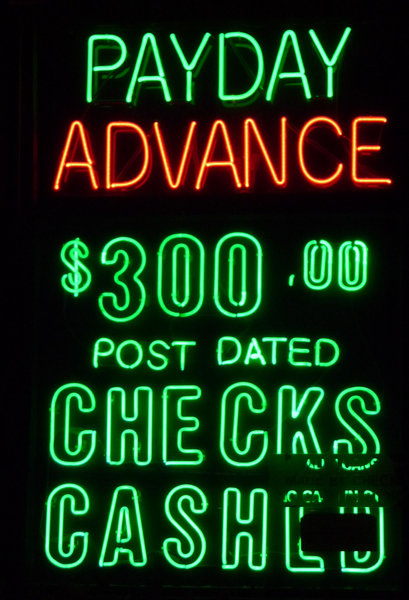
Lately, payday loans have emerged as a controversial monetary product, significantly for customers with limited entry to traditional credit score sources. These brief-term loans, usually marketed as a quick answer for monetary emergencies, incessantly promise approval and not using a credit score examine, which appeals to a substantial phase of the inhabitants. This observational research article scrutinizes the dynamics surrounding payday loans with no credit score checks, exploring their implications on client behavior, monetary literacy, and socio-economic factors.
The Landscape of Payday Loans
Payday loans are typically small, short-term loans designed to cowl immediate cash shortages, with repayment typically due on the borrower’s next payday. The premise behind these loans is simple: consumers can safe funds with out undergoing the rigorous vetting process related to banks or conventional lending institutions. A noticeable trend in the payday lending market is the proliferation of products that promise «no credit score check,» thus targeting people who could have poor credit score histories or who wish to keep away from the stigma of having their credit score assessed.

Consumer Attraction to No Credit score Examine Loans
Observations indicate that the primary allure of payday loans with no credit score checks rests on urgency and accessibility. Many individuals residing in underbanked areas or those with a troubled monetary past often find themselves in precarious conditions, where they could require immediate funds for unexpected bills equivalent to medical bills, automobile repairs, or important household items. Since these loans are marketed as fast, problem-free solutions, they appeal to shoppers who could feel trapped in a cycle of monetary instability.
Additionally, the stigma associated with traditional lending processes can deter potential borrowers from looking for help by conventional means. Observational data recommend that people flip to payday loans as a viable possibility, leading to an elevated demand for no credit score examine loans. Notably, these loans often come with significantly excessive-interest rates, which can result in an even deeper financial crisis for borrowers.
The Position of Monetary Literacy
A crucial observation in the payday loan sector is the apparent lack of financial literacy amongst many shoppers resorting to no credit score verify loans. Steadily, these people may not absolutely understand the terms of the loan, together with the potential penalties of failing to repay in a timely fashion. If you loved this write-up and you would like to get a lot more info pertaining to Tajribti kindly stop by the web site. By means of interviews and surveys performed with borrowers, it is obvious that many do not acknowledge the compounding nature of high-curiosity charges and the snowball impact of debt that may ensue.
Moreover, the marketing strategies employed by payday loan firms usually neglect to convey the real prices related to these loans, focusing instead on instant availability. This lack of transparency additional perpetuates the cycle of financial mismanagement, as individuals may take out repeat loans to cover earlier debts, making a dependency that's tough to escape.
Socio-Economic Correlates
The demographics of payday loan users predominantly embody low-earnings households, typically correlating with racial and geographic disparities. Observational research reveals that people from economically disadvantaged backgrounds are disproportionately represented among payday loan borrowers. Many of these customers reside in rural or economically distressed city areas the place conventional banking companies are both unavailable or underutilized.
Moreover, this reliance on payday loans often intersects with broader socio-economic challenges. For example, the inability to entry affordable credit can exacerbate present monetary disparities, leading to a vicious cycle the place people turn into trapped in high-curiosity debt resulting from a scarcity of options. Observing the neighborhoods where payday loan shops are concentrated highlights how unequal access to monetary sources perpetuates poverty and financial instability.
Policy Implications and Consumer Safety
Given the issues surrounding payday loans, particularly these requiring no credit checks, regulatory scrutiny has increased over time. State legislatures and client protection companies are starting to implement stricter laws supposed to guard consumers from predatory lending practices. These laws typically include capping interest charges, mandating clearer disclosures of loan terms, and guaranteeing that borrowers are knowledgeable of the potential repercussions of taking out payday loans.
Regardless of these efforts, the payday lending industry stays resilient. Observations show that even with the implementation of laws, new corporations consistently emerge, typically discovering loopholes to sidestep limitations. Subsequently, ongoing advocacy for stronger client protections and elevated sources for monetary training is important to combat the predatory nature of payday loans.
Conclusion
In conclusion, payday loans with no credit score checks serve as a double-edged sword for a lot of customers. While they supply quick monetary relief to these going through emergencies, they may lead to devastating long-time period penalties if not handled correctly. Observational research highlights the critical need for enhanced financial literacy packages, equitable access to credit score, and comprehensive policies that protect consumers from the burdens of high-interest loans. As the landscape of payday lending continues to evolve, it's imperative for stakeholders—consumers, lenders, and policymakers alike—to have interaction in collaborative efforts to reform this industry for the betterment of all concerned. Addressing the basis causes of monetary desperation and empowering customers with knowledge will probably be fundamental steps in mitigating the inherent dangers related to payday loans.
The Landscape of Payday Loans
Payday loans are typically small, short-term loans designed to cowl immediate cash shortages, with repayment typically due on the borrower’s next payday. The premise behind these loans is simple: consumers can safe funds with out undergoing the rigorous vetting process related to banks or conventional lending institutions. A noticeable trend in the payday lending market is the proliferation of products that promise «no credit score check,» thus targeting people who could have poor credit score histories or who wish to keep away from the stigma of having their credit score assessed.
Consumer Attraction to No Credit score Examine Loans
Observations indicate that the primary allure of payday loans with no credit score checks rests on urgency and accessibility. Many individuals residing in underbanked areas or those with a troubled monetary past often find themselves in precarious conditions, where they could require immediate funds for unexpected bills equivalent to medical bills, automobile repairs, or important household items. Since these loans are marketed as fast, problem-free solutions, they appeal to shoppers who could feel trapped in a cycle of monetary instability.
Additionally, the stigma associated with traditional lending processes can deter potential borrowers from looking for help by conventional means. Observational data recommend that people flip to payday loans as a viable possibility, leading to an elevated demand for no credit score examine loans. Notably, these loans often come with significantly excessive-interest rates, which can result in an even deeper financial crisis for borrowers.
The Position of Monetary Literacy
A crucial observation in the payday loan sector is the apparent lack of financial literacy amongst many shoppers resorting to no credit score verify loans. Steadily, these people may not absolutely understand the terms of the loan, together with the potential penalties of failing to repay in a timely fashion. If you loved this write-up and you would like to get a lot more info pertaining to Tajribti kindly stop by the web site. By means of interviews and surveys performed with borrowers, it is obvious that many do not acknowledge the compounding nature of high-curiosity charges and the snowball impact of debt that may ensue.
Moreover, the marketing strategies employed by payday loan firms usually neglect to convey the real prices related to these loans, focusing instead on instant availability. This lack of transparency additional perpetuates the cycle of financial mismanagement, as individuals may take out repeat loans to cover earlier debts, making a dependency that's tough to escape.
Socio-Economic Correlates
The demographics of payday loan users predominantly embody low-earnings households, typically correlating with racial and geographic disparities. Observational research reveals that people from economically disadvantaged backgrounds are disproportionately represented among payday loan borrowers. Many of these customers reside in rural or economically distressed city areas the place conventional banking companies are both unavailable or underutilized.
Moreover, this reliance on payday loans often intersects with broader socio-economic challenges. For example, the inability to entry affordable credit can exacerbate present monetary disparities, leading to a vicious cycle the place people turn into trapped in high-curiosity debt resulting from a scarcity of options. Observing the neighborhoods where payday loan shops are concentrated highlights how unequal access to monetary sources perpetuates poverty and financial instability.
Policy Implications and Consumer Safety
Given the issues surrounding payday loans, particularly these requiring no credit checks, regulatory scrutiny has increased over time. State legislatures and client protection companies are starting to implement stricter laws supposed to guard consumers from predatory lending practices. These laws typically include capping interest charges, mandating clearer disclosures of loan terms, and guaranteeing that borrowers are knowledgeable of the potential repercussions of taking out payday loans.
Regardless of these efforts, the payday lending industry stays resilient. Observations show that even with the implementation of laws, new corporations consistently emerge, typically discovering loopholes to sidestep limitations. Subsequently, ongoing advocacy for stronger client protections and elevated sources for monetary training is important to combat the predatory nature of payday loans.
Conclusion
In conclusion, payday loans with no credit score checks serve as a double-edged sword for a lot of customers. While they supply quick monetary relief to these going through emergencies, they may lead to devastating long-time period penalties if not handled correctly. Observational research highlights the critical need for enhanced financial literacy packages, equitable access to credit score, and comprehensive policies that protect consumers from the burdens of high-interest loans. As the landscape of payday lending continues to evolve, it's imperative for stakeholders—consumers, lenders, and policymakers alike—to have interaction in collaborative efforts to reform this industry for the betterment of all concerned. Addressing the basis causes of monetary desperation and empowering customers with knowledge will probably be fundamental steps in mitigating the inherent dangers related to payday loans.