
The Best Private Jet Charter Companies: Elevating Air Travel To New Heights

On the earth of luxury journey, private jets stand out as the epitome of consolation, comfort, and exclusivity. As extra travelers seek personalised experiences, the demand for private jet charters has soared. With numerous companies offering various companies, it can be challenging to determine which private jet charter company is the perfect match on your needs. This text explores a few of the top private jet charter companies, highlighting their distinctive choices, fleet range, and customer support excellence.
1. NetJets

NetJets is commonly regarded as the pioneer of the private jet charter trade. Should you have any queries about where by and the best way to use best private jet charter companies, you'll be able to call us with the web site. Founded in 1964, the corporate has established a fame for offering unparalleled service and a diverse fleet of aircraft. NetJets operates a fractional ownership mannequin, permitting purchasers to buy shares in jets, which supplies them with access to a wide range of aircraft without the full prices of ownership.

One of the standout features of NetJets is its dedication to security and high quality. The company boasts considered one of the most important and most rigorous security packages in the industry, with a focus on sustaining high requirements of aircraft upkeep and pilot coaching. Additionally, NetJets gives a concierge service that can assist with floor transportation, catering, and different journey preparations, guaranteeing a seamless journey experience.

2. Flexjet

Flexjet is another distinguished player within the private jet charter market, recognized for its luxurious offerings and bespoke services. Established in 1995, Flexjet provides fractional ownership, leasing, and on-demand charter services. The company prides itself on its exceptional customer service and a focus to element, making it a favourite amongst discerning travelers.

Flexjet's fleet contains quite a lot of aircraft, from mild jets to massive-cabin planes, catering to totally different travel wants. The company also gives a singular program known as «Pink Label,» which features extremely educated pilots and cabin crew, guaranteeing a premium expertise for passengers. Flexjet's commitment to sustainability can also be noteworthy, as the corporate actively invests in eco-friendly initiatives and carbon offset packages.

3. Wheels Up

Wheels Up has rapidly gained recognition within the private aviation sector since its founding in 2013. The corporate operates a membership-based model, allowing clients to access a fleet of greater than 300 aircraft on an on-demand basis. This versatile method appeals to a wide range of travelers, from enterprise executives to leisure seekers.

One among the key advantages of Wheels Up is its person-pleasant mobile app, which permits members to guide flights, manage itineraries, and access unique events and experiences. The company also emphasizes neighborhood constructing, offering networking opportunities and social occasions for its members. With a strong deal with customer support, Wheels Up has positioned itself as a fashionable and modern participant within the private jet charter trade.

4. VistaJet

VistaJet is a world leader in private aviation, recognized for its luxurious fleet and distinctive service. Based in 2004, the company operates a novel subscription model that enables clients to purchase flight hours moderately than proudly owning a specific aircraft. This flexibility appeals to travelers who require entry to a variety of aircraft for different journeys.

VistaJet's fleet consists exclusively of Bombardier jets, ensuring a constant level of quality and consolation throughout its choices. The corporate is famend for its consideration to detail, with personalized cabin services and gourmet catering choices tailored to each client's preferences. VistaJet additionally prides itself on its world attain, providing service to over 1,900 airports in greater than 90 nations.

5. JetSuite

JetSuite is a comparatively newer entrant to the private jet charter market, having been based in 2006. The corporate focuses on providing inexpensive, on-demand private jet services, making it a pretty possibility for travelers in search of luxury with out breaking the bank. JetSuite operates a fleet of light and mid-measurement jets, offering a cost-effective different to traditional private jet charters.

One of the standout options of JetSuite is its dedication to transparency in pricing. The corporate gives clear and upfront quotes, allowing clients to grasp the complete price of their flights without hidden fees. Additionally, JetSuite presents a singular «SuiteKey» membership program, which supplies members with discounted rates and entry to unique offers.

6. PrivateFly

PrivateFly is a leading on-line booking platform for private jet charters, offering a variety of aircraft options and competitive pricing. Founded in 2008, PrivateFly has revolutionized the way in which travelers ebook private flights by offering a user-friendly platform that allows clients to check costs and book flights in actual-time.

The company partners with a network of accredited operators, ensuring that shoppers have entry to a diverse fleet of aircraft. PrivateFly's commitment to transparency and customer support has earned it a loyal following among travelers. The platform additionally presents a variety of extra providers, including floor transportation and concierge services, making it a one-cease-shop for all travel needs.

7. Air Charter Service

Air Charter Service (ACS) is a world chief in air charter options, providing a variety of services, including private jet charters, cargo flights, and helicopter rentals. Based in 1990, ACS has built a robust repute for its expertise and customer support, making it a trusted choice for travelers looking for private aviation options.

ACS gives entry to an enormous network of aircraft, with options starting from small jets to large airliners. The corporate's devoted team of aviation experts works carefully with shoppers to tailor travel solutions that meet their specific needs. With places of work in multiple international locations, ACS gives a really global service, catering to purchasers' journey necessities regardless of where they are.

Conclusion

Choosing the right private jet charter company can considerably improve your journey expertise. Every of the businesses mentioned above provides distinctive companies and options that cater to completely different wants and preferences. Whether or not you are seeking the exclusivity of fractional ownership, the flexibility of on-demand charters, or the convenience of an internet booking platform, there is a private jet charter company that can meet your necessities. Because the private aviation trade continues to evolve, these firms stay on the forefront, offering exceptional service and elevating air journey to new heights.

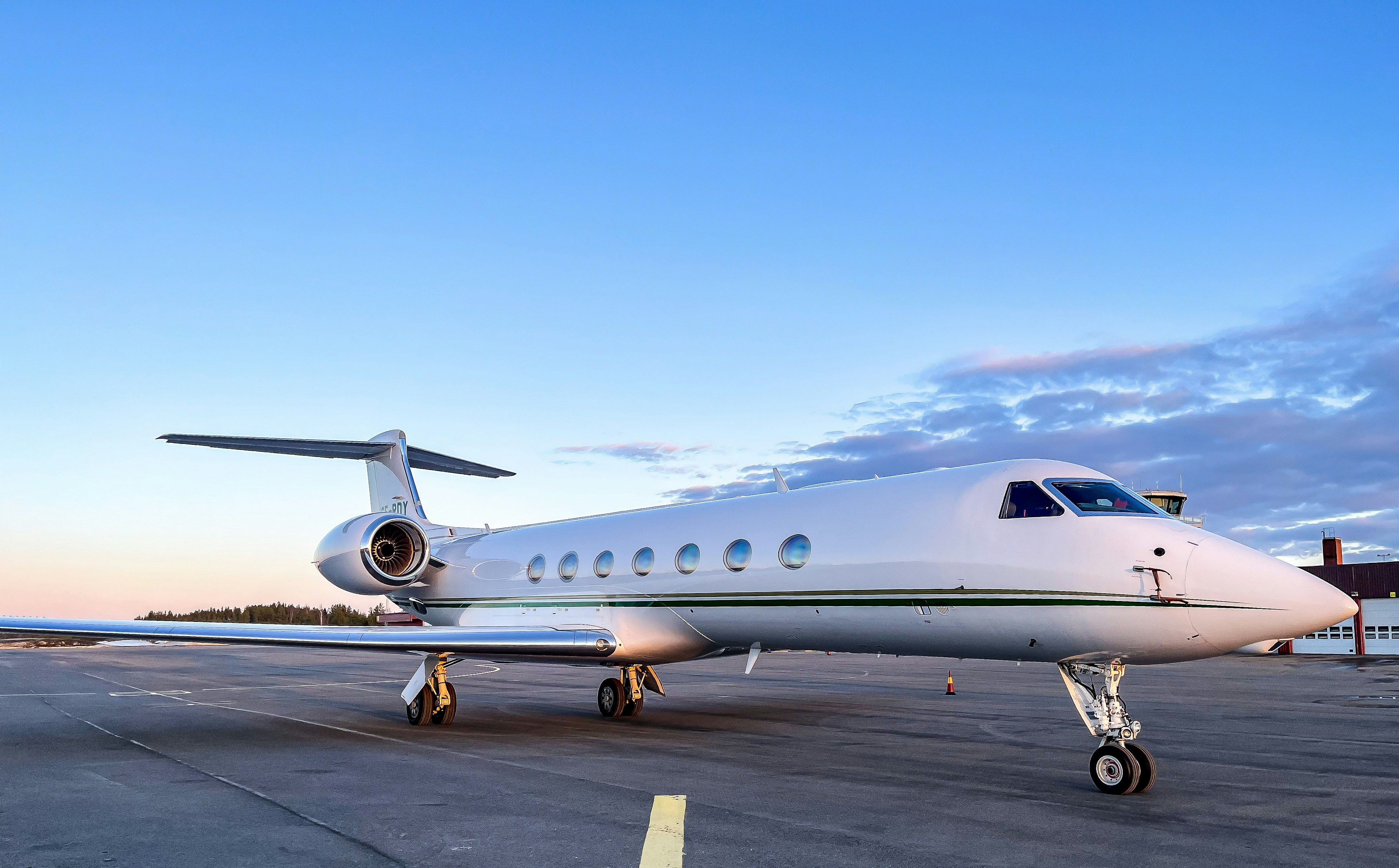
The Trendy Personal Plane: A Case Study on Accessibility and Innovation In Aviation

Lately, the aviation trade has witnessed a surge in the recognition of non-public planes, transforming the best way individuals and businesses strategy travel. This case research explores the evolution, advantages, and challenges related to private planes, highlighting key improvements and the implications for various stakeholders in the aviation ecosystem.

The Evolution of non-public Planes

Private aviation just isn't a new idea; nonetheless, the advancements in technology and design over the past two many years have made private planes more accessible and interesting to a broader viewers. Traditionally, private aviation was limited to the rich elite, however recent developments in manufacturing processes, supplies, and avionics have democratized entry to personal aircraft.

The introduction of gentle sport aircraft (LSA) within the early 2000s marked a big shift in the industry. LSAs are designed to be reasonably priced, simple to fly, and require less stringent licensing necessities. This innovation opened the door for a lot of aspiring aviators who have been beforehand deterred by the costs and complexities of traditional aircraft ownership.

Benefits of non-public Planes

  1. Time Efficiency: One of many most vital advantages of proudly owning a personal plane is the time financial savings related to private travel. In contrast to commercial flights, which require hours of waiting in security strains and layovers, personal planes enable for direct flights to smaller airports nearer to the destination. This effectivity is particularly beneficial for business executives who want to maximize their time.
  2. Flexibility and Comfort: Private planes present unparalleled flexibility in journey schedules. Homeowners can determine when and where to fly, accommodating final-minute modifications or spontaneous trips. This convenience is particularly priceless for those in industries the place time is cash, corresponding to finance, real property, and emergency services.
  3. Entry to Remote Areas: Many areas lack commercial air service, making personal planes essential for accessing distant areas. This capability is significant for industries equivalent to agriculture, mining, and tourism, where professionals want to succeed in sites which might be in any other case tough to entry.
  4. Enhanced Consolation and Privateness: Private planes provide a level of comfort and privacy that business flights can not match. Passengers can customise their in-flight expertise, from catering to cabin structure, and take pleasure in a more relaxed environment without the crowds usually found in commercial aviation.
Improvements Driving the Personal Plane Market

Several technological innovations have contributed to the growth of private aviation, making it more appealing and feasible for a wider viewers.

  1. Electric and Hybrid Aircraft: As the world moves in direction of sustainable options, electric and hybrid aircraft have emerged as a promising alternative to traditional gasoline-powered planes. If you have any type of questions concerning where and how you can use Pbase, you could contact us at our webpage. These improvements not solely reduce the carbon footprint of personal aviation but in addition lower operational costs, making possession extra attractive.
  2. Superior Avionics: Fashionable private planes are geared up with subtle avionics that enhance safety and ease of operation. Options reminiscent of autopilot systems, terrain consciousness, and actual-time weather updates empower pilots, even those with restricted expertise, to navigate more confidently.
  3. 3D Printing and Advanced Materials: Using 3D printing technology in aircraft manufacturing has revolutionized the business by lowering production costs and time. This innovation permits manufacturers to create lightweight, durable parts that improve efficiency and gasoline effectivity.
  4. Fractional Possession and Aircraft Sharing: To further lower the boundaries to entry, fractional possession fashions and aircraft-sharing platforms have gained recognition. These arrangements permit people to share the prices of ownership and maintenance, making personal aviation more accessible to those that may not be able to afford an entire aircraft.
Challenges Dealing with Private Aviation

Despite the numerous advantages and developments in personal aviation, there are nonetheless challenges that must be addressed to make sure the continued development of this sector.
  1. Regulatory Hurdles: The aviation industry is closely regulated, and navigating the authorized panorama can be daunting for personal plane house owners. Rules surrounding pilot licensing, aircraft upkeep, and airspace utilization can fluctuate considerably by region, creating confusion and potential boundaries to entry.
  2. High Costs of Ownership: Whereas private planes have change into extra affordable, the prices related to ownership—such as maintenance, insurance coverage, storage, and fuel—can still be vital. Potential owners should carefully assess their monetary situation and whether the benefits of possession outweigh these costs.
  3. Environmental Considerations: Because the aviation trade faces growing scrutiny regarding its environmental affect, personal aviation just isn't exempt from criticism. The carbon emissions related to flying, even in smaller aircraft, increase considerations about sustainability and the longer term of personal planes.
  4. Security Considerations: While developments in technology have improved security, private aviation nonetheless carries inherent dangers. Pilots must be effectively-trained, and aircraft must be properly maintained to reduce accidents. The notion of safety may deter potential owners from pursuing private aviation.
Conclusion

The rise of private planes represents a big shift in the aviation landscape, pushed by technological improvements and altering client preferences. As private aviation becomes extra accessible, it gives quite a few advantages, including time effectivity, flexibility, and enhanced consolation. However, challenges comparable to regulatory hurdles, ownership costs, and environmental considerations must be addressed to make sure the sustainable growth of this sector.

As we look to the long run, the non-public aviation market is poised for continued evolution, with electric aircraft, superior avionics, and progressive possession models paving the best way for a brand new technology of aviators. By embracing these advancements and addressing the challenges forward, personal planes can solidify their place as a significant part of fashionable transportation.

The Fee Dynamics Of Private Charter Flights: An Observational Research

Private charter flights have emerged as a most well-liked mode of transportation for people and businesses looking for comfort, flexibility, and privacy. However, the prices associated with these flights can range considerably based mostly on several elements. This observational analysis article aims to explore the various parts that affect the pricing of private charter flights, offering insights into the financial implications for potential users.

Understanding Private Charter Flights

Private charter flights are aircraft which can be hired for exclusive use, permitting passengers to travel on their own schedule without the constraints of commercial airline timetables. These flights are often utilized by enterprise executives, celebrities, and affluent travelers who prioritize time effectivity and consolation. The enchantment of charter flights lies of their capability to access hundreds of airports, lots of which are not serviced by industrial airlines, thus providing a tailor-made travel expertise.

Elements Influencing Cost

The price of private charter flights can fluctuate primarily based on a number of factors, together with aircraft kind, distance traveled, duration of the flight, and extra services requested.
  1. Aircraft Type: The kind of aircraft considerably impacts the cost of chartering a flight. Light jets, such because the Cessna Citation Mustang, sometimes range from $1,200 to $2,500 per hour, while bigger jets, just like the Gulfstream G550, can value upwards of $8,000 per hour. The selection of aircraft also determines the number of passengers it can accommodate, with larger jets offering more room and amenities.
  2. Distance and Duration: The space between departure and arrival areas immediately correlates with the flight value. Charter firms typically charge by the hour, so longer flights naturally incur higher charges. Moreover, factors akin to gasoline costs and airport charges can differ relying on the distance, additional influencing the general value.
  3. Further Providers: Charter flights can supply a range of extra providers that may increase the general worth. Catering, ground transportation, and in-flight entertainment choices can add to the bottom fare. For example, a gourmet meal service may add a number of hundred dollars to the total cost, while luxurious amenities such as Wi-Fi and satellite phones can further enhance bills.
  4. Time of Booking: The timing of the flight booking can also affect pricing. Final-minute bookings usually come with a premium, as charter firms could charge higher rates for speedy availability. Conversely, booking nicely prematurely can lead to more favorable pricing and availability of most popular aircraft.
  5. Location: The departure and arrival places play a crucial function in figuring out prices. If you have almost any queries concerning wherever as well as how to employ Lecoeurperduparis, you possibly can contact us on the web-page. Flights originating from busy city airports may incur greater touchdown fees and operational costs, which may be handed on to the client. Moreover, distant places could require repositioning of aircraft, further rising the associated fee.
Market Tendencies and Pricing Variations

The private charter flight market has experienced fluctuations in pricing due to varied economic components. As an illustration, during instances of financial downturn, demand for luxury travel might lower, leading to aggressive pricing among charter firms. Conversely, in durations of economic progress, the demand for private flights usually will increase, which may drive up prices.

Furthermore, the rise of on-demand charter companies and expertise-driven platforms has introduced more competitive pricing constructions. Corporations like JetSuite and Blade have made private flying more accessible, providing lower-value options and flexible booking programs. These platforms typically present transparent pricing fashions, permitting customers to compare costs across completely different aircraft and routes.

Value Comparisons: Private vs. Commercial Flights

When evaluating the costs of private charter flights to business airlines, the differences can be stark. Whereas a industrial flight ticket may cost anyplace from $100 to $1,000, relying on the route and class of service, private charter flights can vary from $2,000 to over $20,000 for a single trip. However, it is essential to contemplate the value proposition: private flights save time, reduce journey-associated stress, and provide a level of service and comfort that business airways can not match.

Case Research: Actual-World Examples

For example the price dynamics of private charter flights, consider the next case research:

  • Enterprise Travel: A company executive must journey from New York City to Chicago for a gathering. A private jet charter could cost roughly $15,000 for a round trip, factoring in an hourly rate of $3,000 for a mid-size jet. This cost is justified by the time saved, as the executive can arrive nearer to the meeting time with out the problem of airport safety and long waits.
  • Household Trip: A household of 4 plans a visit from Los Angeles to Aspen. The cost of chartering a gentle jet for this journey could be round $10,000. Whereas this is considerably larger than industrial flights, the household enjoys the comfort of direct entry to a smaller airport and the flexibility to bring extra luggage without further fees.
Conclusion

The price of private charter flights is influenced by a mess of factors, including aircraft sort, distance, extra providers, booking timing, and placement. While these flights come at a premium compared to industrial airways, they provide unparalleled comfort, flexibility, and consolation. As the market continues to evolve, potential customers should weigh the financial implications towards the advantages of private air travel. Understanding the dynamics of pricing on this sector might help travelers make knowledgeable decisions that align with their journey wants and finances issues. Finally, the choice of a private charter flight will not be merely about value but about the value of time and expertise in an increasingly fast-paced world.

Understanding the Costs Of Private Jet Travel: A Complete Case Examine

Introduction

Private jet travel has turn into synonymous with luxurious, convenience, and exclusivity. Whereas the allure of flying in a private jet is undeniable, the related prices can be a major consider the choice-making course of for potential customers. This case study aims to explore the assorted components that contribute to the overall price of private jet travel, offering a detailed evaluation for people and businesses contemplating this mode of transportation.

The fundamentals of Private Jet Travel Prices

The prices associated with private jet travel will be categorized into several key components: acquisition prices, operational prices, and variable costs. Understanding these parts is essential for anyone contemplating private aviation.

  1. Acquisition Costs: This is the initial funding required to purchase a private jet. Prices can vary from just a few hundred thousand dollars for a small used jet to tens of thousands and thousands for a new, massive aircraft. Moreover, potential buyers must consider financing options and depreciation over time.
  2. Operational Prices: These are ongoing expenses incurred through the ownership of a private jet. They embody fuel, upkeep, insurance coverage, crew salaries, and hangar fees. Should you have almost any queries about wherever in addition to how to make use of Servisil leading providers, it is possible to call us in our own web-page. On average, operational prices can range between $500,000 to $1 million annually, relying on the type and frequency of use.
  3. Variable Prices: These prices can fluctuate based on the specifics of every flight, including landing charges, catering, and additional providers like ground transportation. Variable costs can add hundreds of dollars to a single trip, depending on the level of service desired.
Detailed Breakdown of Prices

For instance the prices related to private jet travel, let’s consider a hypothetical scenario involving a mid-measurement jet, such as a Bombardier Challenger 350, which is fashionable among business travelers.

1. Acquisition Costs


  • Buy Value: A brand new Bombardier Challenger 350 can cost roughly $26 million. A pre-owned model could range from $10 million to $20 million, depending on its age and situation.
  • Financing: If financed, the purchaser could face monthly payments of round $200,000, assuming a standard mortgage term and curiosity charge.

2. Operational Costs


  • Gasoline: The Challenger 350 has a fuel burn fee of about 160 gallons per hour. At a median gasoline value of $5 per gallon, a typical 3-hour flight would value approximately $2,400 in fuel alone.
  • Maintenance: Annual maintenance can common round $150,000, together with routine inspections and repairs.
  • Insurance coverage: Insurance coverage costs can vary from $25,000 to $50,000 per year, depending on the aircraft’s use and worth.
  • Crew Salaries: Hiring a pilot and co-pilot may cost round $200,000 annually, plus additional prices for flight attendants if needed.
  • Hangar Fees: Storing the jet can price between $1,200 to $3,000 monthly, relying on the placement of the hangar.

3. Variable Prices


  • Touchdown Fees: These can range considerably primarily based on the airport however typically vary from $one hundred to $1,500 per touchdown.
  • Catering: Depending on the extent of service, catering can value wherever from $500 to $5,000 per flight.
  • Further Providers: Ground transportation, de-icing providers, and different amenities can add several hundred to hundreds of dollars to the full value.
Whole Cost Estimation

For a hypothetical yr of ownership and use of the Challenger 350, let’s summarize the costs based on a reasonable utilization of a hundred flight hours per yr:

  • Acquisition Prices: $0 (assuming the jet is owned outright for this calculation)
  • Operational Costs:
— Gas: $2,400 x a hundred hours = $240,000
— Upkeep: $150,000
— Insurance: $50,000
— Crew Salaries: $200,000
— Hangar Charges: $36,000 ($3,000 x 12 months)
  • Variable Prices: Estimated at $1,000 per flight for touchdown and catering, assuming 50 flights: $50,000
Whole Annual Price: $726,000

Value Comparisons

When evaluating the cost of private jet travel, it’s essential to check it with business airline travel. A primary-class round trip ticket on a commercial airline can vary from $1,500 to $5,000, relying on the gap. For a group of 4 traveling frequently, the costs can rapidly escalate, making private jet travel more appealing regardless of the higher upfront costs.

Options to Possession

For those who find the prices of ownership prohibitive, there are alternatives corresponding to fractional ownership, jet cards, and charter companies. Each of those choices gives varying levels of flexibility and price-effectiveness:

  1. Fractional Possession: This allows individuals to own a share of a jet, lowering the monetary burden while nonetheless offering access to private aviation.
  2. Jet Cards: These pay as you go cards enable users to purchase flight hours prematurely, offering a extra versatile alternative to possession.
  3. Charter Providers: For infrequent travelers, chartering a jet on a per-trip basis could be the most value-efficient answer, with prices typically starting from $1,200 to $8,000 per flight hour, relying on the aircraft.
Conclusion

Private jet travel gives unparalleled comfort and luxury, but it surely comes at a major cost. Understanding the various elements that contribute to those costs is essential for individuals and businesses considering this mode of transport. Whereas possession can be expensive, options equivalent to fractional ownership, jet cards, and charter providers present viable options for accessing private aviation with out the hefty worth tag associated with full ownership. Ultimately, the choice to invest in private jet travel must be based on private or business journey needs, frequency of use, and financial issues.

Exploring Affordable Private Jet Rentals: A Complete Guide

In recent times, the demand for private jet travel has surged, pushed by a need for convenience, privateness, and efficiency. Nonetheless, the perception that private jets are just for the elite persists, often deterring potential users from exploring this mode of transport. The good news is that the panorama of private aviation is changing, with varied choices accessible that make private jet rentals more accessible and affordable than ever before. This report delves into the factors contributing to the rise of cheap private jet rentals, the different rental options out there, and suggestions for finding the best deals.

The Altering Face of Private Aviation

Traditionally, private jet travel was synonymous with luxury and excessive prices. The standard mannequin involved chartering an entire aircraft, which may run into tens of hundreds of dollars for a single trip. Nonetheless, the introduction of recent enterprise models, such as jet card packages, fractional possession, and on-demand charter companies, has democratized access to private aviation. These alternate options permit travelers to take pleasure in the advantages of flying privately without the hefty price tag related to traditional charter companies.

Understanding the cost Elements

A number of factors affect the price of renting a private jet. Understanding these can help potential renters make informed selections and discover probably the most price-efficient choices. Key factors embrace:
a private jet sitting on the tarmac of an airport
  1. Aircraft Type: The dimensions and model of the aircraft considerably affect rental costs. Mild jets are generally extra affordable than mid-measurement or heavy jets. For shorter journeys, mild jets could be a cost-effective option.
  2. Distance and Duration: Longer flights sometimes incur larger costs as a consequence of fuel consumption and crew bills. However, some companies offer competitive rates for short-haul flights, making them a viable option for fast getaways.
  3. Location: The departure and arrival airports can influence pricing. Airports in main metropolitan areas might have higher fees, while smaller regional airports may provide more aggressive charges.
  4. Time of Booking: Last-minute bookings may be costly. Planning ahead and booking upfront can result in vital savings.
  5. Empty Leg Flights: Among the best-saved secrets and techniques in the private aviation trade is the idea of empty leg flights. These occur when a jet is returning to its base or flying to select up another passenger. Because these flights are already scheduled, operators often promote them at a discounted rate, making private jet travel more affordable.
Choices for Renting Private Jets

When contemplating a private jet rental, travelers have several options:

  1. On-Demand Charter Companies: These companies allow travelers to rent a jet for a specific journey with none lengthy-time period commitments. Corporations like JetSuite, Wheels Up, and XO supply flexible booking options and competitive pricing.
  2. Jet Card Packages: Jet cards provide a pay as you go bundle of flight hours on a selected type of aircraft. This selection provides more predictable pricing and availability, making it easier to price range for private travel.
  3. Fractional Possession: This mannequin allows individuals to purchase a share of an aircraft, offering access to private flying at a fraction of the cost of full possession. While this option requires a bigger upfront funding, it can be value-efficient for frequent flyers.
  4. Membership Programs: Some companies provide membership packages that present entry to a fleet of jets for a monthly payment. This may be an economical selection for many who fly often however do not need the total-time dedication of ownership.
Finding the most effective Deals

To maximise savings when renting a private jet, consider the next ideas:

  1. Research Multiple Suppliers: Don’t settle for the first quote you obtain. Research different charter companies and compare charges, services, and aircraft options.
  2. Be Versatile with Journey Dates: If your journey schedule permits, being flexible together with your departure and return dates can lead to decrease prices. Midweek flights are sometimes cheaper than weekend journey.
  3. Join Alerts: Many private jet companies supply newsletters or alerts for special promotions and empty leg flights. Signing up for these can allow you to stay informed about potential offers.
  4. Consider Group Travel: If traveling with a bunch, consider splitting the fee of a larger jet. This can make private flying more affordable per individual and improve the general journey experience.
  5. Make the most of Online Platforms: Web sites and apps like JetSmarter and FlyExclusive enable travelers to seek for and ebook private jet flights simply. These platforms usually showcase obtainable empty leg flights and promotional deals.
Conclusion

The world of private jet travel is evolving, making it more and more accessible to a broader audience. With a variety of rental choices out there and methods for locating reasonably priced rates, private aviation is not the unique area of the wealthy. By understanding the elements that affect pricing and exploring different rental models, travelers can get pleasure from the advantages of private jet travel with out breaking the bank. Whether for business or leisure, the chance to fly privately is more attainable than ever, allowing for a unique and customized travel expertise that enhances efficiency and consolation.

Private Aviation Companies: An In-Depth Study

Introduction

Private aviation has witnessed significant progress over the previous two many years, pushed by an rising demand for personalized travel experiences, time savings, and enhanced privateness. Private aviation companies offer a range of companies, from charter flights to aircraft administration and possession options. This report delves into the panorama of private aviation companies, inspecting their enterprise models, market tendencies, regulatory challenges, and future prospects.

Overview of Private Aviation

Private aviation refers to the use of non-commercial aircraft for private or enterprise travel. It encompasses numerous services, together with:

  1. Charter Flights: On-demand flights where clients book entire aircraft for particular journeys.
  2. Fractional Possession: Purchasers buy shares in an aircraft, permitting them to use it for a certain variety of hours yearly.
  3. Jet Cards: Pre-paid flight time that provides assured availability and fastened hourly charges.
  4. Full Possession: People or firms purchase an aircraft outright for exclusive use.
  5. Aircraft Management: Companies that embody maintenance, staffing, and operational administration for aircraft homeowners.
Key Players available in the market

The private aviation sector is populated by quite a few corporations, each with its unique offerings. A few of the main private aviation companies embrace:

  • NetJets: A pioneer in fractional possession, NetJets operates a fleet of over 700 aircraft, providing various ownership and leasing choices.
  • Flexjet: Identified for its luxury service and excessive-quality fleet, Flexjet supplies fractional ownership and jet card companies.
  • VistaJet: A worldwide leader in private aviation, VistaJet focuses on providing a constant experience across its fleet, which operates internationally.
  • Wheels Up: A newer entrant that combines membership-based mostly access with a charter mannequin, Wheels Up has rapidly expanded its fleet and providers.
  • Air Charter Service: A broker that connects clients with accessible aircraft, offering a variety of choices for charter flights.
Market Traits

The private aviation market has seen several notable developments lately:

  1. Increased Demand: The COVID-19 pandemic accelerated the shift towards private aviation as travelers sought safer and extra controlled environments. This trend has continued, with many purchasers preferring private flights over commercial airways for well being and security reasons.
  2. Technological Advancements: The adoption of know-how in booking, managing flights, and bettering customer expertise has grow to be essential. Firms are leveraging apps and digital platforms to supply seamless booking experiences and actual-time flight updates.
  3. Sustainability Initiatives: Environmental considerations have prompted many private aviation companies to explore sustainable aviation fuels (SAF), carbon offset applications, and more efficient aircraft designs to scale back their carbon footprint.
  4. Diverse Clientele: The demographic of private aviation shoppers is expanding, with younger professionals and entrepreneurs coming into the market. This shift is influencing service offerings and advertising and marketing strategies.
  5. Regulatory Modifications: As private aviation grows, so does scrutiny from regulators. Firms must navigate complex regulations regarding safety, airspace utilization, and environmental compliance.
Enterprise Fashions

Private aviation companies function under numerous enterprise fashions, every tailored to completely different consumer wants:

  • Charter Providers: Corporations like Air Charter Service and JetSuite provide purchasers the pliability to guide flights on-demand, catering to both leisure and enterprise travelers.
  • Fractional Ownership: Firms like NetJets and Flexjet provide shared possession choices, allowing clients to personal a fraction of an aircraft whereas sharing the costs of upkeep and operation.
  • Membership Packages: Wheels Up and similar corporations provide membership-based models, the place clients pay an upfront fee for access to a fleet of aircraft, making private aviation extra accessible.
  • Full Possession: Excessive-web-price individuals or corporations might choose to purchase aircraft outright, benefiting from full control over their travel schedules and routes.
Challenges Dealing with Private Aviation Companies

Despite its growth, the private aviation sector faces a number of challenges:

  1. Regulatory Compliance: Navigating the advanced web of aviation regulations may be daunting. Corporations should ensure compliance with safety requirements and environmental rules.
  2. Economic Fluctuations: Financial downturns can influence discretionary spending, leading to decreased demand for private aviation services. Firms must stay agile and adaptable to changing market circumstances.
  3. Competitors: The entry of latest players and the expansion of current companies create a aggressive panorama. Companies should differentiate themselves by way of service quality, pricing, and unique choices.
  4. Environmental Considerations: As awareness of local weather change increases, private aviation companies face strain to undertake more sustainable practices and reduce their environmental impact.
Future Prospects

The way forward for private aviation seems promising, with several elements contributing to its development:

  1. Continued Demand: The trend in the direction of private travel is likely to persist as extra individuals and companies recognize the benefits of private aviation, including time savings and enhanced security.
  2. Technological Innovations: Advancements in aircraft technology, such as electric and hybrid aircraft, may reshape the trade, making private aviation extra sustainable and efficient.
  3. Global Enlargement: As rising markets develop, private aviation companies have alternatives to expand their companies globally, catering to new clientele in regions with rising wealth.
  4. Enhanced Customer Experiences: Corporations will proceed to concentrate on enhancing the shopper expertise by personalised companies, luxurious offerings, and innovative expertise options.
Conclusion

Private aviation companies play a significant role within the transportation panorama, offering flexible and efficient journey solutions for people and companies alike. Because the trade evolves, firms should navigate challenges whereas capitalizing on opportunities for progress. If you enjoyed this article and you would such as to receive even more info pertaining to Playtubescript kindly check out our own internet site. With a deal with sustainability, know-how, and customer satisfaction, the future of private aviation seems to be brilliant, promising continued innovation and enlargement within the years to return.