


The Evolution and Impact of Private Airplanes In Modern Aviation
- написал: RudyHogarth
- 0
- 0
The world of aviation has undergone outstanding transformations since the Wright brothers' first flight in 1903. Among the many innovations, private airplanes have emerged as a big facet of the aviation business, catering to the wants of people and corporations looking for effectivity, privacy, and convenience in air journey. This text explores the evolution of private airplanes, their influence on trendy society, and the future of this niche but influential phase of aviation.
Historically, private aviation began to take shape within the early 20th century, primarily on account of developments in expertise and the growing popularity of flying. The first private aircraft have been usually simple, open-cockpit biplanes, primarily used by wealthy people and fanatics. However, because the aviation business matured, so too did the designs and capabilities of private airplanes. The introduction of enclosed cabins, improved engines, and advanced avionics methods allowed for longer flights and larger consolation, attracting a broader clientele.
The post-World Battle II era marked a big turning point for private aviation. With a surplus of military aircraft and the event of recent technologies, the marketplace for private planes began to increase quickly. The introduction of the Beechcraft Bonanza in 1947, a excessive-efficiency single-engine aircraft, set a new customary for private flying. This aircraft was amongst the primary to offer a mixture of pace, vary, and consolation that appealed to affluent individuals and enterprise executives alike.
The 1960s and 1970s saw the emergence of the business jet, a category of private airplanes particularly designed for company travel. Aircraft such as the Learjet 23 and the Cessna Quotation turned symbols of success and standing, revolutionizing the way in which companies operated. The flexibility to journey quickly and efficiently allowed firms to increase their reach, conduct conferences in different cities, and respond to opportunities in real-time. This shift in company travel dynamics underscored the importance of private aviation in the global financial system.
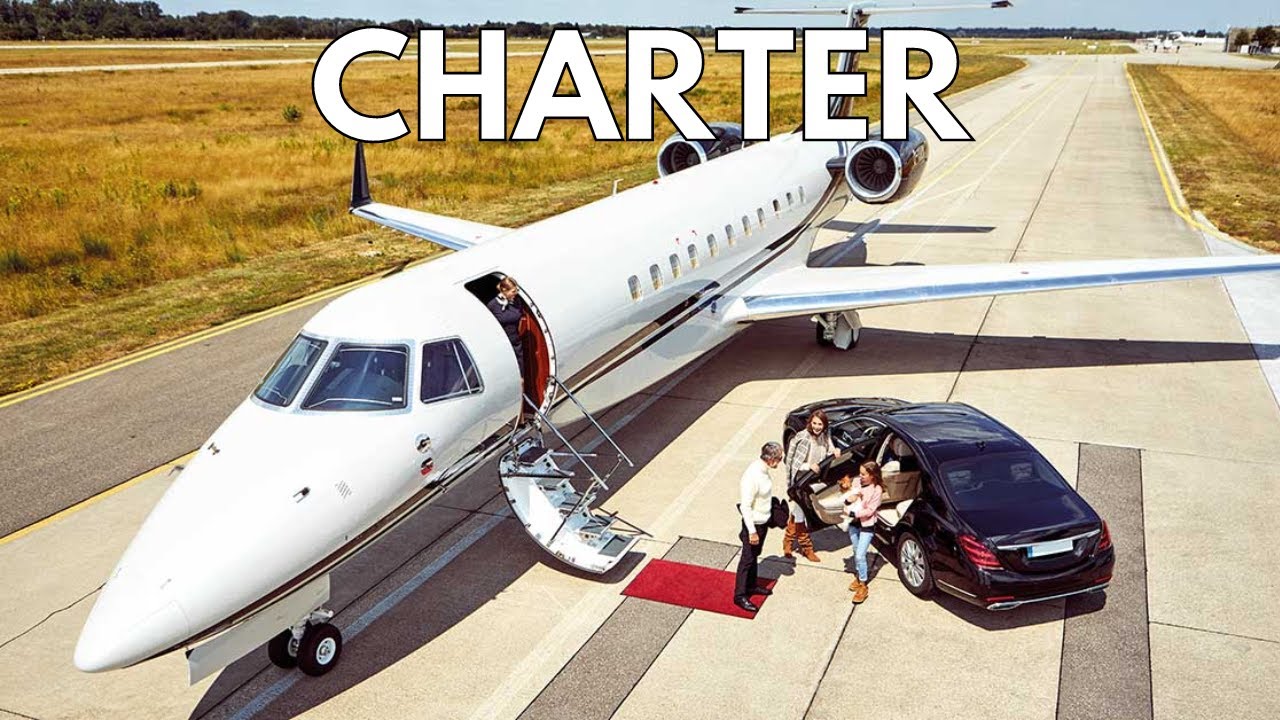
In the decades that followed, private aviation continued to evolve. The introduction of turboprop and jet engines allowed for faster, more environment friendly travel over longer distances. Manufacturers akin to Gulfstream, Bombardier, and Embraer began producing a variety of jets that catered to various budgets and preferences, making private flying accessible to a wider audience. The rise of fractional possession and jet card applications further democratized private aviation, permitting people and firms to share the prices and benefits of possession without the burdens of conventional aircraft maintenance and administration.

The affect of private airplanes on modern society is multifaceted. On one hand, they provide unparalleled convenience and effectivity for travelers. Enterprise executives can save hours by flying on to their destination with out the hassles of economic airports, corresponding to lengthy safety lines and layovers. This effectivity interprets into elevated productiveness, as time spent in transit can be used for conferences or strategic planning moderately than ready in airport terminals.
Moreover, private aviation has turn into a crucial part of emergency response and humanitarian efforts. In times of crisis, reminiscent of natural disasters or medical emergencies, private aircraft can deliver help and provides to distant areas that could be inaccessible by other means. Organizations like the Air Charity Network and Angel Flight utilize private planes to transport patients in need of medical remedy, showcasing the altruistic potential of this mode of transportation.
Nevertheless, the rise of private aviation shouldn't be with out its challenges and criticisms. Environmental issues have turn into more and more outstanding, as the aviation business grapples with its carbon footprint. Private jets typically devour extra gasoline per passenger than business airlines, elevating questions about sustainability and the affect of luxury travel on climate change. In response, manufacturers are exploring extra eco-pleasant technologies, such as electric and hybrid aircraft, in addition to sustainable aviation fuels (SAF) to mitigate the environmental influence of private flying.
Furthermore, the exclusivity of private aviation has led to a notion of elitism, significantly in an period marked by growing economic inequality. Critics argue that the luxurious of private flying ought to be balanced with social accountability, prompting discussions about the function of private aviation in a world where access to sources is not equally distributed. Because the trade evolves, it is going to be important for stakeholders to address these issues and work towards a more equitable and sustainable future.
Wanting ahead, the future of private aviation is poised for additional innovation and transformation. The arrival of advanced applied sciences, reminiscent of artificial intelligence, automation, and electric propulsion, guarantees to reshape the panorama of private flying. Firms are investing in research and growth to create smarter, extra efficient aircraft that can operate with decrease environmental impression and enhanced security features.
Moreover, the integration of urban air mobility (UAM) into the private aviation sector presents thrilling prospects. The event of vertical takeoff and touchdown (VTOL) aircraft and air taxis could revolutionize urban transportation, allowing individuals to bypass visitors and reach their locations more rapidly. As cities turn out to be extra congested, the demand for alternative modes of transportation will doubtless enhance, positioning private aviation as a key player in the way forward for urban mobility.
In conclusion, private airplanes have come a good distance since their inception, evolving from easy biplanes to subtle jets that play a crucial function in modern society. Their impact on enterprise efficiency, emergency response, and humanitarian efforts can't be overstated. However, as the business faces challenges related to sustainability and social equity, it must adapt and innovate to meet the calls for of a changing world. If you have any sort of inquiries regarding where and ways to utilize private jet charter with multi leg itineraries, you can contact us at the web page. The way forward for private aviation holds great promise, with advancements in know-how and a rising emphasis on environmental responsibility paving the best way for a brand new period of flight. As we look to the skies, it is obvious that private airplanes will continue to form the way we journey and join in the years to come.
Historically, private aviation began to take shape within the early 20th century, primarily on account of developments in expertise and the growing popularity of flying. The first private aircraft have been usually simple, open-cockpit biplanes, primarily used by wealthy people and fanatics. However, because the aviation business matured, so too did the designs and capabilities of private airplanes. The introduction of enclosed cabins, improved engines, and advanced avionics methods allowed for longer flights and larger consolation, attracting a broader clientele.
The post-World Battle II era marked a big turning point for private aviation. With a surplus of military aircraft and the event of recent technologies, the marketplace for private planes began to increase quickly. The introduction of the Beechcraft Bonanza in 1947, a excessive-efficiency single-engine aircraft, set a new customary for private flying. This aircraft was amongst the primary to offer a mixture of pace, vary, and consolation that appealed to affluent individuals and enterprise executives alike.
The 1960s and 1970s saw the emergence of the business jet, a category of private airplanes particularly designed for company travel. Aircraft such as the Learjet 23 and the Cessna Quotation turned symbols of success and standing, revolutionizing the way in which companies operated. The flexibility to journey quickly and efficiently allowed firms to increase their reach, conduct conferences in different cities, and respond to opportunities in real-time. This shift in company travel dynamics underscored the importance of private aviation in the global financial system.
In the decades that followed, private aviation continued to evolve. The introduction of turboprop and jet engines allowed for faster, more environment friendly travel over longer distances. Manufacturers akin to Gulfstream, Bombardier, and Embraer began producing a variety of jets that catered to various budgets and preferences, making private flying accessible to a wider audience. The rise of fractional possession and jet card applications further democratized private aviation, permitting people and firms to share the prices and benefits of possession without the burdens of conventional aircraft maintenance and administration.
The affect of private airplanes on modern society is multifaceted. On one hand, they provide unparalleled convenience and effectivity for travelers. Enterprise executives can save hours by flying on to their destination with out the hassles of economic airports, corresponding to lengthy safety lines and layovers. This effectivity interprets into elevated productiveness, as time spent in transit can be used for conferences or strategic planning moderately than ready in airport terminals.
Moreover, private aviation has turn into a crucial part of emergency response and humanitarian efforts. In times of crisis, reminiscent of natural disasters or medical emergencies, private aircraft can deliver help and provides to distant areas that could be inaccessible by other means. Organizations like the Air Charity Network and Angel Flight utilize private planes to transport patients in need of medical remedy, showcasing the altruistic potential of this mode of transportation.
Nevertheless, the rise of private aviation shouldn't be with out its challenges and criticisms. Environmental issues have turn into more and more outstanding, as the aviation business grapples with its carbon footprint. Private jets typically devour extra gasoline per passenger than business airlines, elevating questions about sustainability and the affect of luxury travel on climate change. In response, manufacturers are exploring extra eco-pleasant technologies, such as electric and hybrid aircraft, in addition to sustainable aviation fuels (SAF) to mitigate the environmental influence of private flying.
Furthermore, the exclusivity of private aviation has led to a notion of elitism, significantly in an period marked by growing economic inequality. Critics argue that the luxurious of private flying ought to be balanced with social accountability, prompting discussions about the function of private aviation in a world where access to sources is not equally distributed. Because the trade evolves, it is going to be important for stakeholders to address these issues and work towards a more equitable and sustainable future.
Wanting ahead, the future of private aviation is poised for additional innovation and transformation. The arrival of advanced applied sciences, reminiscent of artificial intelligence, automation, and electric propulsion, guarantees to reshape the panorama of private flying. Firms are investing in research and growth to create smarter, extra efficient aircraft that can operate with decrease environmental impression and enhanced security features.
Moreover, the integration of urban air mobility (UAM) into the private aviation sector presents thrilling prospects. The event of vertical takeoff and touchdown (VTOL) aircraft and air taxis could revolutionize urban transportation, allowing individuals to bypass visitors and reach their locations more rapidly. As cities turn out to be extra congested, the demand for alternative modes of transportation will doubtless enhance, positioning private aviation as a key player in the way forward for urban mobility.
In conclusion, private airplanes have come a good distance since their inception, evolving from easy biplanes to subtle jets that play a crucial function in modern society. Their impact on enterprise efficiency, emergency response, and humanitarian efforts can't be overstated. However, as the business faces challenges related to sustainability and social equity, it must adapt and innovate to meet the calls for of a changing world. If you have any sort of inquiries regarding where and ways to utilize private jet charter with multi leg itineraries, you can contact us at the web page. The way forward for private aviation holds great promise, with advancements in know-how and a rising emphasis on environmental responsibility paving the best way for a brand new period of flight. As we look to the skies, it is obvious that private airplanes will continue to form the way we journey and join in the years to come.
0 комментариев