


How to Stay Cool Under Pressure with Driver Cooling Systems
- написал: YvonneKittre
- 0
- 0
If you're a motorsport enthusiast or part of a professional rally team, you know that maintaining peak performance on the track is crucial. One key aspect that differentiates successful racers from the rest is the ability to stay cool, both mentally and physically. How do driver cooling systems contribute to this? In this article, we'll explore how these systems function, their benefits, and important considerations when selecting the right system for your vehicle. As racing conditions often result in high temperatures, having an effective cooling system can mean the difference between winning and losing. Not only do these systems help manage driver comfort, but they also play a vital role in enhancing overall performance. Let's dive deeper into the intricate world of driver cooling systems and understand how they work in unison with other essential motorsport safety equipment. Race and Rally Parts What Are Driver Cooling Systems and How Do They Work? Driver cooling systems are specialized setups designed to regulate the temperature within a race car's cockpit. Typically, these systems employ a combination of air and liquid cooling methods to keep the driver comfortable and focused. The core components usually include a cooling vest, a fan, and a control unit that manages airflow and temperature. For example, many systems utilize a cooling vest that circulates chilled water around the body. This water absorbs heat and helps maintain a stable body temperature, preventing overheating during intense races. In conjunction with a fan that directs cool air into the cockpit, these systems significantly enhance driver performance by reducing fatigue and distraction.  Why Is Temperature Control Important in Motorsport? When racing, a driver's ability to concentrate and perform at their best is paramount. As temperatures rise within the cockpit, drivers can become fatigued, distracted, and even risk heat-related illnesses. Maintaining a comfortable environment allows them to focus on the critical aspects of racing, such as track position, braking points, and tactical decisions. Moreover, excessive heat can hinder a driver's reaction time and decision-making capacity. For instance, when temperatures soar, a driver might find it difficult to operate the vehicle's controls accurately, which can lead to costly mistakes on the track. Key Features to Look for in Driver Cooling Systems As you consider upgrading your vehicle with a driver cooling system, it's essential to prioritize specific features that enhance performance and safety. Here are some key aspects to investigate:
  Cost Considerations: Investing in Quality Driver Cooling Systems When it comes to purchasing a driver cooling system, understanding the cost versus value relationship is vital. While some systems may come with a hefty price tag, investing in high-quality components can yield significant benefits in terms of performance and safety. Race and Rally Motorsport For example, suppose you manage a professional rally team and are considering upgrading to a top-tier driver cooling setup that costs around $1,500. The initial investment may seem steep, but the increased driver comfort and performance during races could potentially lead to higher placements and, ultimately, greater prize earnings. Therefore, it's essential to weigh the long-term benefits against the upfront costs when selecting components. How to Maintain Your Driver Cooling System for Optimal Performance Regular maintenance of your driver cooling system is crucial to ensure it functions effectively throughout the racing season. Start by routinely checking the system's components for wear and tear, including hoses, fans, and pumps. Cleaning the components, especially the fan filters, will improve airflow and cooling efficiency. Additionally, consider conducting performance tests before major races to confirm that the system operates as intended. For example, if your setup includes a cooling vest, ensure that the water circulation is smooth and there are no leaks. By maintaining your system, you can guarantee that it remains reliable when you need it most. In addition to regular checks, keeping an eye on the ambient conditions can also guide how you use your cooling system. If you know a race day will be particularly hot, pre-cooling the vest or adjusting the air flow settings in advance can provide an extra edge.
  Localized FAQ Heading How long does it take to install a driver cooling system? The installation time can vary widely based on the system type and your vehicle. Generally, professional installations can take anywhere from 2 to 5 hours, depending on the complexity of the setup. What are the best brands for driver cooling systems? Some of the highly regarded brands in motorsport cooling systems include P1 Racewear, Sparco, and Alpinestars. They are known for their durability and FIA compliance. RaceAndRally Is a driver cooling system effective in all racing conditions?
  While driver cooling systems are particularly beneficial in extremely hot weather, they can also improve comfort in varying conditions, helping to maintain focus and performance throughout the race. Can driver cooling systems be used in other motorsport disciplines? Yes, driver cooling systems can be utilized across various motorsport disciplines, including rallying, touring car racing, and even endurance racing, where maintaining driver performance is critical. What maintenance is required for a driver cooling system? Regular maintenance includes checking for leaks, cleaning filters, and testing component performance. It's also advisable to inspect hoses and pumps for wear and replace them as needed. How much should I expect to pay for a quality driver cooling system? Quality driver cooling systems typically range from $1,000 to $2,500, depending on features and brand. While the cost may be high, the benefits in performance can justify the investment.
Why Is Temperature Control Important in Motorsport? When racing, a driver's ability to concentrate and perform at their best is paramount. As temperatures rise within the cockpit, drivers can become fatigued, distracted, and even risk heat-related illnesses. Maintaining a comfortable environment allows them to focus on the critical aspects of racing, such as track position, braking points, and tactical decisions. Moreover, excessive heat can hinder a driver's reaction time and decision-making capacity. For instance, when temperatures soar, a driver might find it difficult to operate the vehicle's controls accurately, which can lead to costly mistakes on the track. Key Features to Look for in Driver Cooling Systems As you consider upgrading your vehicle with a driver cooling system, it's essential to prioritize specific features that enhance performance and safety. Here are some key aspects to investigate: - FIA Compliance: Ensure that the system meets strict safety standards set by the FIA.
- Ease of Installation: Look for systems that are easy to install or integrate with existing setups.
- Adjustable Settings: Systems that allow for customizable temperature settings offer flexibility during races.
- Durability: Components must withstand the rigors of racing environments.
Cost Considerations: Investing in Quality Driver Cooling Systems When it comes to purchasing a driver cooling system, understanding the cost versus value relationship is vital. While some systems may come with a hefty price tag, investing in high-quality components can yield significant benefits in terms of performance and safety. Race and Rally Motorsport For example, suppose you manage a professional rally team and are considering upgrading to a top-tier driver cooling setup that costs around $1,500. The initial investment may seem steep, but the increased driver comfort and performance during races could potentially lead to higher placements and, ultimately, greater prize earnings. Therefore, it's essential to weigh the long-term benefits against the upfront costs when selecting components. How to Maintain Your Driver Cooling System for Optimal Performance Regular maintenance of your driver cooling system is crucial to ensure it functions effectively throughout the racing season. Start by routinely checking the system's components for wear and tear, including hoses, fans, and pumps. Cleaning the components, especially the fan filters, will improve airflow and cooling efficiency. Additionally, consider conducting performance tests before major races to confirm that the system operates as intended. For example, if your setup includes a cooling vest, ensure that the water circulation is smooth and there are no leaks. By maintaining your system, you can guarantee that it remains reliable when you need it most. In addition to regular checks, keeping an eye on the ambient conditions can also guide how you use your cooling system. If you know a race day will be particularly hot, pre-cooling the vest or adjusting the air flow settings in advance can provide an extra edge. Localized FAQ Heading How long does it take to install a driver cooling system? The installation time can vary widely based on the system type and your vehicle. Generally, professional installations can take anywhere from 2 to 5 hours, depending on the complexity of the setup. What are the best brands for driver cooling systems? Some of the highly regarded brands in motorsport cooling systems include P1 Racewear, Sparco, and Alpinestars. They are known for their durability and FIA compliance. RaceAndRally Is a driver cooling system effective in all racing conditions? While driver cooling systems are particularly beneficial in extremely hot weather, they can also improve comfort in varying conditions, helping to maintain focus and performance throughout the race. Can driver cooling systems be used in other motorsport disciplines? Yes, driver cooling systems can be utilized across various motorsport disciplines, including rallying, touring car racing, and even endurance racing, where maintaining driver performance is critical. What maintenance is required for a driver cooling system? Regular maintenance includes checking for leaks, cleaning filters, and testing component performance. It's also advisable to inspect hoses and pumps for wear and replace them as needed. How much should I expect to pay for a quality driver cooling system? Quality driver cooling systems typically range from $1,000 to $2,500, depending on features and brand. While the cost may be high, the benefits in performance can justify the investment. - List the key steps in maintaining a driver cooling system.
- Check for leaks and wear on hoses and components.
- Clean filters and ensure optimal airflow.
- Conduct performance tests before races.
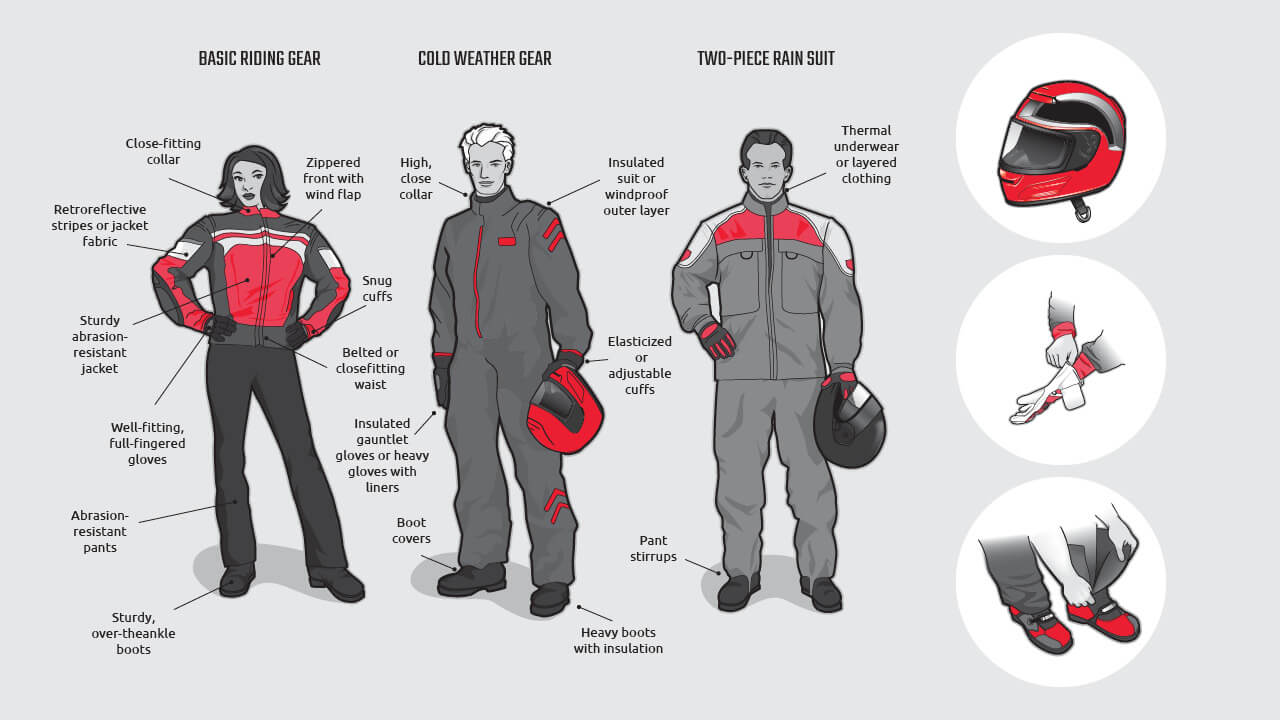
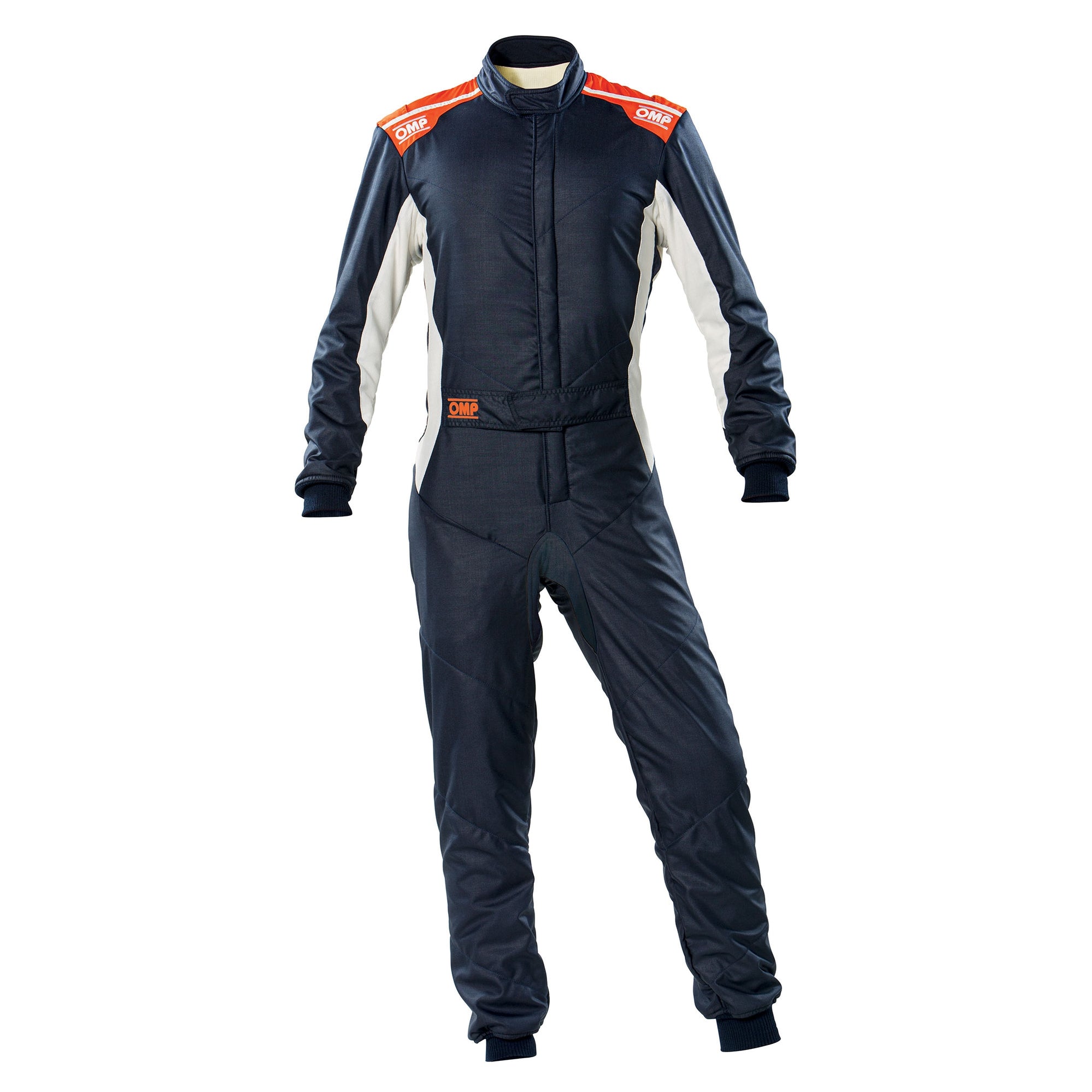
 Essential Vehicle Preparation Gear The right gear is fundamental for ensuring your vehicle meets scrutineering requirements. Investing in FIA-compliant parts and safety equipment is non-negotiable for all serious racers. Key components include: Fire Suppression System: Mandatory for many racing events, this system helps to mitigate fire risks in the cockpit or engine bay. Rally Car Parts: Upgrading to high-performance rally parts can enhance durability and reliability on rough terrains. Race Suits and Helmets: Ensure all drivers wear fire-resistant suits and helmets that meet safety standards. Harnesses and Seats: Properly installed FIA-approved harnesses and racing seats provide essential support and safety during high-speed maneuvers. Roll Cages: A robust roll cage should be installed to protect occupants in the event of a rollover.
  How to Check Your Vehicle's Compliance Before heading to scrutineering, performing your own pre-inspection of the vehicle can save time and avoid any surprises. Here's how to carry out a self-check: Review Regulations: Consult the event regulations for specific requirements related to your vehicle type.
  Outdated Safety Equipment: Ensure all safety gear is within the expiration dates and meets the latest FIA standards. Improper Weight Distribution: Make sure your vehicle complies with the minimum weight requirements and ensure weight distribution is optimized. Incomplete Documentation: Bring all necessary documentation, including proof of compliance for parts and equipment. Unsecured Loose Items: Remove or secure any loose items in the vehicle that could pose a hazard on the track. Addressing these common issues beforehand will give you a competitive edge and peace of mind. Investing in Quality: The Importance of Reliable Parts Investing in high-quality parts is imperative for both enhanced performance and successful scrutineering. While it may be tempting to opt for cheaper alternatives, subpar parts can lead to failures during both inspections and racing.
  3. Fire Resistance: Many FIA-approved cells feature materials that can endure extreme temperatures, adding an extra layer of safety. Purchasing a non-compliant fuel cell can lead not only to disqualification but also to serious safety concerns.
  Evaluating Fuel Cell Pros and Cons When choosing the right fuel cell, evaluating the pros and cons can help you make a more informed decision. Here's an overview: Pros: Enhanced safety features reduce the risk of fire and spills. Improved performance with lightweight designs. Compliance with regulatory standards increases competitive eligibility. Cons: Higher initial costs compared to non-compliant options. Potential weight increase with larger capacity cells. Dependence on proper maintenance for long-term performance. Being aware of these aspects allows you to weigh your options carefully and select the best fuel cell for your racing needs. Conclusion: Make an Informed Choice for Your Racing Success Selecting the right fuel cell for your competition vehicle requires a thoughtful approach that balances safety, performance, and budgetary considerations. By prioritizing FIA compliance, understanding your race requirements, and evaluating the pros and cons of different designs, you can make a choice that aligns with your goals on the track. Ultimately, the right fuel cell not only enhances your vehicle's performance but also ensures your safety, allowing you to focus on what you love most: racing. Frequently Asked Questions What is the average lifespan of a fuel cell? The lifespan of a fuel cell can vary, but with proper maintenance, they typically last several years. Regular inspections and proper storage can extend their usability significantly. How often should I replace my fuel cell? It's recommended to replace your fuel cell every 5-10 years, depending on usage and condition. Frequent racers should inspect their cells more often for signs of wear. Can I use a fuel cell from a different motorsport discipline? While some fuel cells may be interchangeable, it's best to use one that complies with the regulations of your specific racing discipline to ensure safety and legality. What maintenance is required for my fuel cell? Regular inspections for leaks, cleaning, and ensuring that fuel quality is maintained are essential to preserving your fuel cell's performance and longevity. Are all fuel cells created equal? No, fuel cells vary significantly in design, materials, and compliance features. It's important to choose one that fits your vehicle type and racing requirements. How does temperature affect fuel cell performance? Extreme temperatures can affect fuel cell integrity and performance. It's crucial to use a fuel cell designed for the temperature range expected during competitions.