
Understanding the Technical Regulations for Rally Car Spares

What are the critical technical regulations you need to consider when preparing a rally car? As motorsport enthusiasts and competitors know, rally racing demands not only top-notch driving skills but also adherence to stringent regulations concerning vehicle modifications and parts. Whether you are an amateur racer looking to compete or a professional team preparing for the next event, understanding these regulations is crucial for both safety and performance. This article delves into the specific requirements for rally car spares, including regulatory compliance, sourcing high-quality parts, and ensuring your vehicle is race-ready. By comprehending these technical specifications, you will be better equipped to make informed decisions about your rally car preparation. Race & Rally Accessories What Are the FIA Regulations for Rally Car Parts? The International Automobile Federation (FIA) sets forth strict technical regulations that govern all aspects of rally car construction and modifications. These regulations aim to ensure safety, fairness, and competition integrity. Key areas covered by the FIA include weight limits, engine specifications, suspension setups, and safety gear requirements. For instance, rally cars must adhere to specific weight classifications, which vary by category. To meet these specifications, many teams invest in lightweight materials such as carbon fiber to reduce overall vehicle weight while maintaining structural integrity. Top Race Car Parts to Upgrade Your Track Performance Understanding the FIA regulations can be complex, but it is essential to ensure that all modifications are compliant. Regularly consulting the latest FIA regulations can help teams stay informed and avoid costly penalties. For example, if a car is found non-compliant during a scrutineering process, it may be disqualified from an event, which can severely impact a team's season. Where to Buy FIA-Compliant Rally Car Parts? Finding a reliable supplier for FIA-compliant rally car parts can often be challenging. Many enthusiasts and teams struggle to locate a single shop that offers all necessary components, from safety gear to performance enhancements. The best approach is to research specialized online retailers that focus specifically on motorsport. Look for shops that provide detailed product descriptions and confirm compliance with FIA regulations. One recommended strategy is to read reviews from other customers in the motorsport community. This can provide insights into the quality of parts and the reliability of the supplier. Additionally, consider joining online forums or local motorsport clubs where members can share recommendations and experiences regarding various parts suppliers. This communal knowledge can be invaluable in ensuring you source the best parts for your rally car. motorsport clothing Understanding the Technical Regulations for Rally Car Spares Essential Rally Car Parts for Performance Enhancement When preparing a rally car, specific parts are crucial for enhancing performance. These include suspension components, brake systems, and engine upgrades. Here are some key components to consider:
  1. Suspension System: High-quality suspension is vital for navigating diverse terrains. Upgraded coilovers or adjustable shocks can significantly improve handling and stability.
  2. Braking System: Rally cars must have reliable brakes. Upgrading to a larger brake system or using performance rotors can reduce brake fade and improve stopping power.
  3. Engine Modifications: Performance tuning, such as ECU remapping or upgraded turbochargers, can provide a competitive edge by enhancing horsepower and torque delivery.
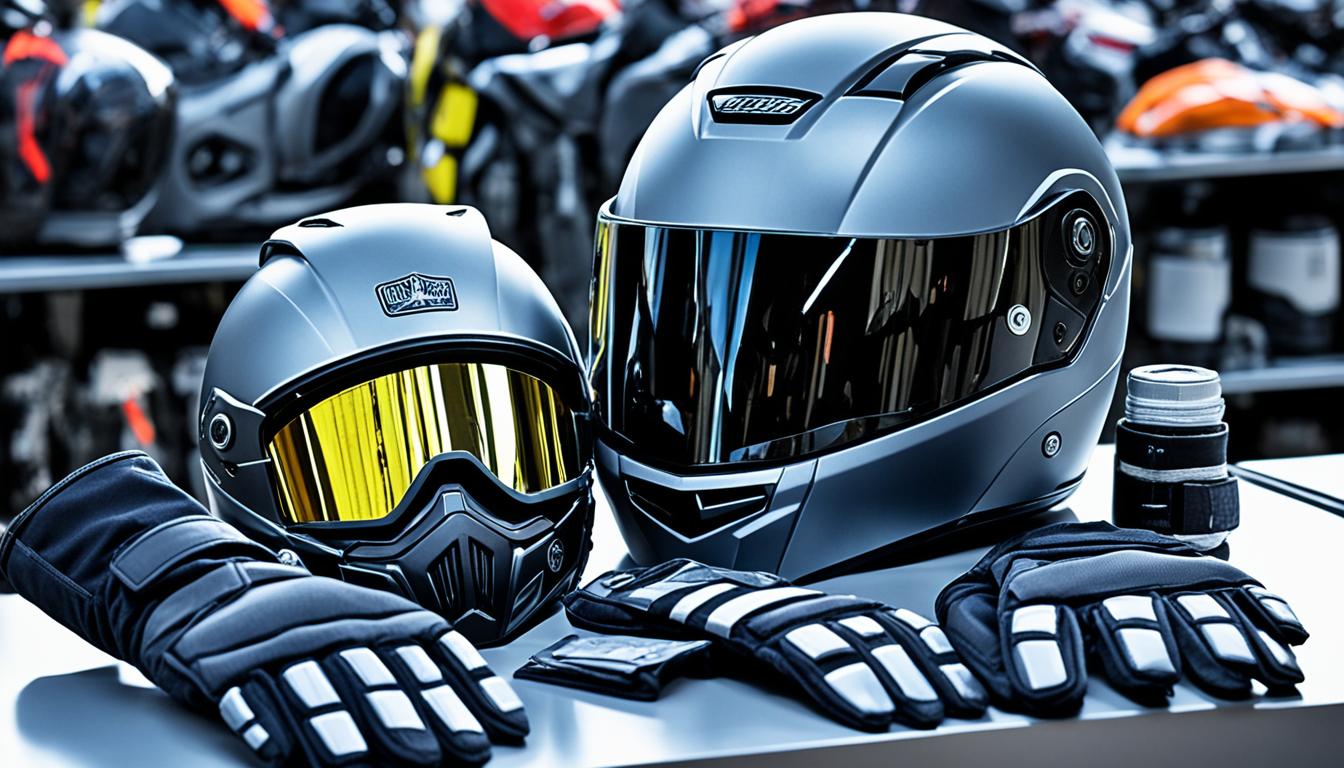
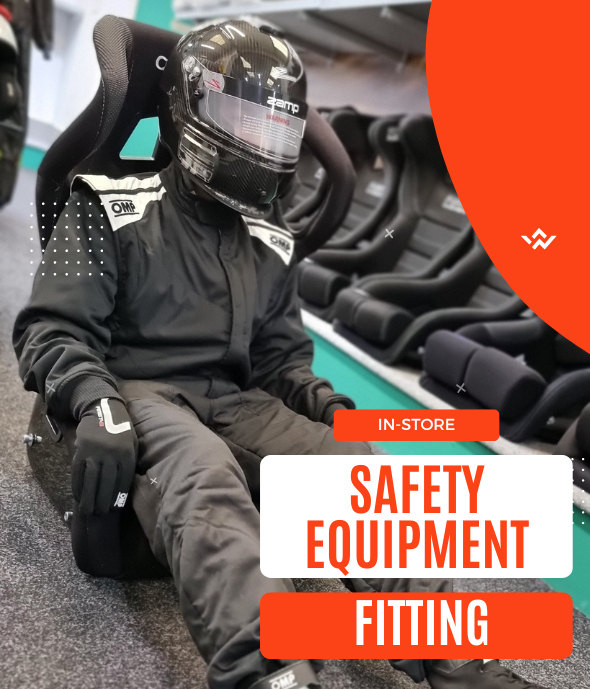
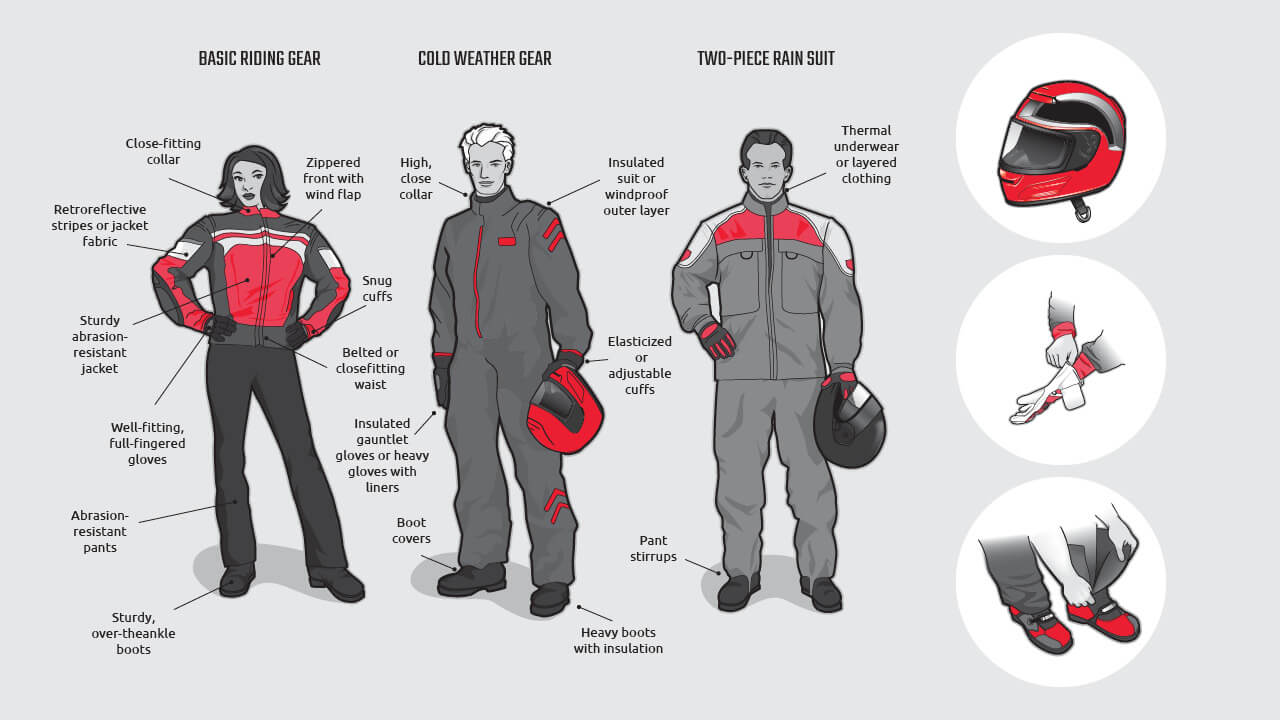
  4. Safety Gear: FIA-approved safety gear, such as roll cages, harnesses, and helmets, is non-negotiable for driver protection during rallies.
Investing in these high-quality rally car parts not only boosts performance but also ensures compliance with regulations, which is crucial during competitions. Understanding the Role of Safety Regulations in Rally Preparation Safety regulations are paramount in rally racing, as they directly impact the welfare of drivers and co-drivers. The FIA mandates specific safety equipment, including helmets, fire-resistant suits, and roll cages, that must meet stringent standards. For instance, roll cages must be constructed from high-strength steel and meet precise dimensional specifications to absorb impacts during a crash. Moreover, the FIA regularly updates safety regulations, making it essential for teams to stay informed about the latest developments. Regularly consulting the FIA's official website and attending motorsport conventions can help teams ensure their equipment remains compliant. Failing to comply with safety regulations can lead to severe penalties, including disqualification from events. https://audiokniga-online.ru/user/ColumbusColbert/ Essential Rally Car Parts Every Driver Needs to Succeed
«Safety is not just a practice; it's a principle that every rally team must prioritize to ensure the well-being of their drivers.»
The Importance of Vehicle Weight in Rally Racing Vehicle weight plays a crucial role in rally performance. A lighter car can accelerate faster, handle better, and ultimately achieve better stage times. However, achieving optimal weight requires careful planning and adherence to FIA regulations regarding weight limits. To manage weight effectively, teams can invest in lightweight components, such as carbon fiber body panels and aluminum wheels. These materials can help reduce weight without compromising strength and safety. In practical terms, if a rally car exceeds the weight limit set by the FIA, the team may be penalized with time penalties or disqualification. For instance, if the limit for a certain class is 1,200 kg and the car is found to weigh 1,250 kg, it could severely hinder the team's prospects during the championship season. This example highlights the direct relationship between weight management and competitive performance. How to Stay Updated on Rally Regulations and Innovations? In the fast-evolving world of rally racing, staying updated on regulations and innovations is vital for all teams. Regularly reviewing the FIA's official communications, such as newsletters and bulletins, can provide the latest information on rule changes and new technologies. Additionally, participating in motorsport workshops or seminars can offer insights into the latest advancements in car preparation and safety regulations. Moreover, leveraging social media and online communities allows teams to share knowledge and experiences effectively. By following reputable sources and engaging with the wider motorsport community, teams can not only stay informed but also adopt best practices that directly influence their vehicle preparation strategies. An informed approach will ensure your rally car is always compliant and competitive. Frequently Asked Questions About Rally Car Regulations How do I ensure my rally car parts are FIA compliant? To ensure FIA compliance, purchase parts from reputable suppliers that specifically state their products meet FIA regulations. Regularly check the FIA's official site for updates on technical regulations. What is the typical cost of preparing a rally car? The cost can vary greatly, but expect to spend anywhere from $10,000 to over $100,000 depending on the car's condition, modifications, and necessary safety gear. How often do rally regulations change? Rally regulations can change annually, so it is essential to stay informed through the FIA's communications and industry news. What are the most critical safety features for a rally car? Key safety features include a robust roll cage, a fire suppression system, and FIA-approved racing harnesses to protect drivers in case of an accident. Are lightweight materials worth the investment for performance? Yes, lightweight materials can enhance performance significantly by improving acceleration and handling, making them a worthwhile investment in rally preparation.

Choosing the Right Fuel Cell for Your Competition Vehicle

Are you gearing up to enhance your competition vehicle but unsure of which fuel cell to choose? As motorsport enthusiasts and racers, the choice of fuel cell can significantly impact your vehicle's performance, safety, and overall compliance with racing regulations. With an array of options available on the market, understanding the right specifications, features, and benefits for your specific racing needs is crucial. Whether you're an amateur racer participating in local competitions or a professional rally team preparing for an intense season, selecting the correct fuel cell can mean the difference between triumph and disaster on the track. In this article, we will guide you through the essential factors to consider when choosing a fuel cell, ensuring that you make an informed decision that aligns with your racing goals. Race and Rally Store What to Look for in a Fuel Cell for Competitive Racing? When selecting a fuel cell for your competition vehicle, several key factors should be considered. The primary purpose of a fuel cell is to safely store fuel while minimizing the risk of leaks and fires during competition. Here are some essential features to look for:
  • FIA Compliance: Ensure the fuel cell meets FIA regulations for competitive racing.
  • Material Quality: Look for high-quality materials that provide durability and resistance to punctures.
  • Capacity: Select a tank size that aligns with your vehicle's fuel consumption and race requirements.
  • Fuel Type Compatibility: Confirm that the cell is compatible with the type of fuel you intend to use.
  • Ventilation and Fill Systems: Efficient systems are crucial for optimal performance and safety.
Understanding these features will help you make a wise choice for your racing vehicle. Top Race Car Parts to Upgrade Your Track Performance How Does Fuel Cell Capacity Affect Performance? The capacity of your fuel cell directly impacts your vehicle's performance during a race. Larger fuel cells can hold more fuel, reducing the frequency of pit stops; however, they're also heavier, which can affect acceleration and handling. Consider the following:
  1. Race Distance: For longer races, a larger capacity may be beneficial to avoid multiple stops.
  2. Vehicle Weight: Assess your vehicle's handling characteristics with different fuel levels.
  3. Fuel Consumption Rates: Understand your engine's consumption to determine the optimal size.
For example, if you are racing a vehicle that consumes fuel at a rate of 1.5 liters per lap and the race distance is 50 laps, a 75-liter fuel cell would allow you to complete the race without refueling, greatly enhancing your competitiveness. FIA Compliance: Why It Matters FIA compliance is not just a regulatory hurdle; it's a matter of safety and credibility in the motorsport world. Fuel cells designed to meet FIA standards undergo rigorous testing to ensure they can withstand the harsh conditions of racing. Key aspects include: 1. Crash Resistance: FIA-compliant fuel cells are designed to resist impact forces, reducing the risk of rupture. 2. Leak Prevention: These tanks incorporate advanced sealing technologies to minimize the chance of fuel leaks. Essential Rally Car Parts Every Driver Needs to Succeed 3. Fire Resistance: Many FIA-approved cells feature materials that can endure extreme temperatures, adding an extra layer of safety. Purchasing a non-compliant fuel cell can lead not only to disqualification but also to serious safety concerns. motorsport parts Understanding Different Fuel Cell Designs Fuel cells come in various designs, each tailored for specific types of vehicles and racing conditions. Here are the most common types:
Understanding the nuances of design can enhance both safety and performance.
Bladder Cells: Made from flexible materials, these cells are lightweight and can conform to the shape of the vehicle's chassis, which helps to reduce weight and improve aerodynamics. Rigid Tanks: These offer maximum protection against damage during crashes but can be heavier. They are ideal for vehicles that prioritize safety over weight. Choosing the Best Race Suits for Optimal Comfort and Safety Choosing the right design can significantly affect the vehicle's overall dynamics, so consider how each type interacts with your vehicle's characteristics. Cost Considerations: Balancing Quality and Budget While premium fuel cells offer advanced features and safety benefits, they also come at a higher cost. It's important to evaluate your budget against the potential performance gains. When considering costs, factor in: 1. Initial Purchase Price: High-quality cells may require a higher initial investment. 2. Installation Costs: Professional installation can add to the total expense. 3. Long-Term Reliability: Investing in a quality fuel cell can lead to savings in the long run through reduced maintenance and improved race performance. For instance, a high-end FIA-compliant fuel cell may cost 20% more than a standard option but can provide significant benefits in safety and performance, justifying the higher upfront cost. racing safety gear A Comprehensive Guide to Motorsport Safety Equipment How to Maintain Your Fuel Cell for Optimal Performance? Proper maintenance of your fuel cell is crucial to ensure its longevity and performance. Here are some tips: — Regular Inspections: Periodically check for signs of wear, such as cracks or leaks, especially before race day. — Fuel Quality: Use high-quality fuel that matches your fuel cell's specifications; impurities can damage the cell over time. — Storage Conditions: When not in use, store the fuel cell in a cool, dry environment to prevent degradation. Implementing these maintenance strategies can help you avoid costly repairs and ensure consistent performance during races. Choosing the Right Fuel Cell for Your Competition Vehicle Evaluating Fuel Cell Pros and Cons When choosing the right fuel cell, evaluating the pros and cons can help you make a more informed decision. Here's an overview: Pros: Enhanced safety features reduce the risk of fire and spills. Improved performance with lightweight designs. Compliance with regulatory standards increases competitive eligibility. Cons: Higher initial costs compared to non-compliant options. Potential weight increase with larger capacity cells. Dependence on proper maintenance for long-term performance. Being aware of these aspects allows you to weigh your options carefully and select the best fuel cell for your racing needs. Conclusion: Make an Informed Choice for Your Racing Success Selecting the right fuel cell for your competition vehicle requires a thoughtful approach that balances safety, performance, and budgetary considerations. By prioritizing FIA compliance, understanding your race requirements, and evaluating the pros and cons of different designs, you can make a choice that aligns with your goals on the track. Ultimately, the right fuel cell not only enhances your vehicle's performance but also ensures your safety, allowing you to focus on what you love most: racing. Frequently Asked Questions What is the average lifespan of a fuel cell? The lifespan of a fuel cell can vary, but with proper maintenance, they typically last several years. Regular inspections and proper storage can extend their usability significantly. How often should I replace my fuel cell? It's recommended to replace your fuel cell every 5-10 years, depending on usage and condition. Frequent racers should inspect their cells more often for signs of wear. Can I use a fuel cell from a different motorsport discipline? While some fuel cells may be interchangeable, it's best to use one that complies with the regulations of your specific racing discipline to ensure safety and legality. What maintenance is required for my fuel cell? Regular inspections for leaks, cleaning, and ensuring that fuel quality is maintained are essential to preserving your fuel cell's performance and longevity. Are all fuel cells created equal? No, fuel cells vary significantly in design, materials, and compliance features. It's important to choose one that fits your vehicle type and racing requirements. How does temperature affect fuel cell performance? Extreme temperatures can affect fuel cell integrity and performance. It's crucial to use a fuel cell designed for the temperature range expected during competitions.
Exploring the Range of Bell Helmets at Race and Rally

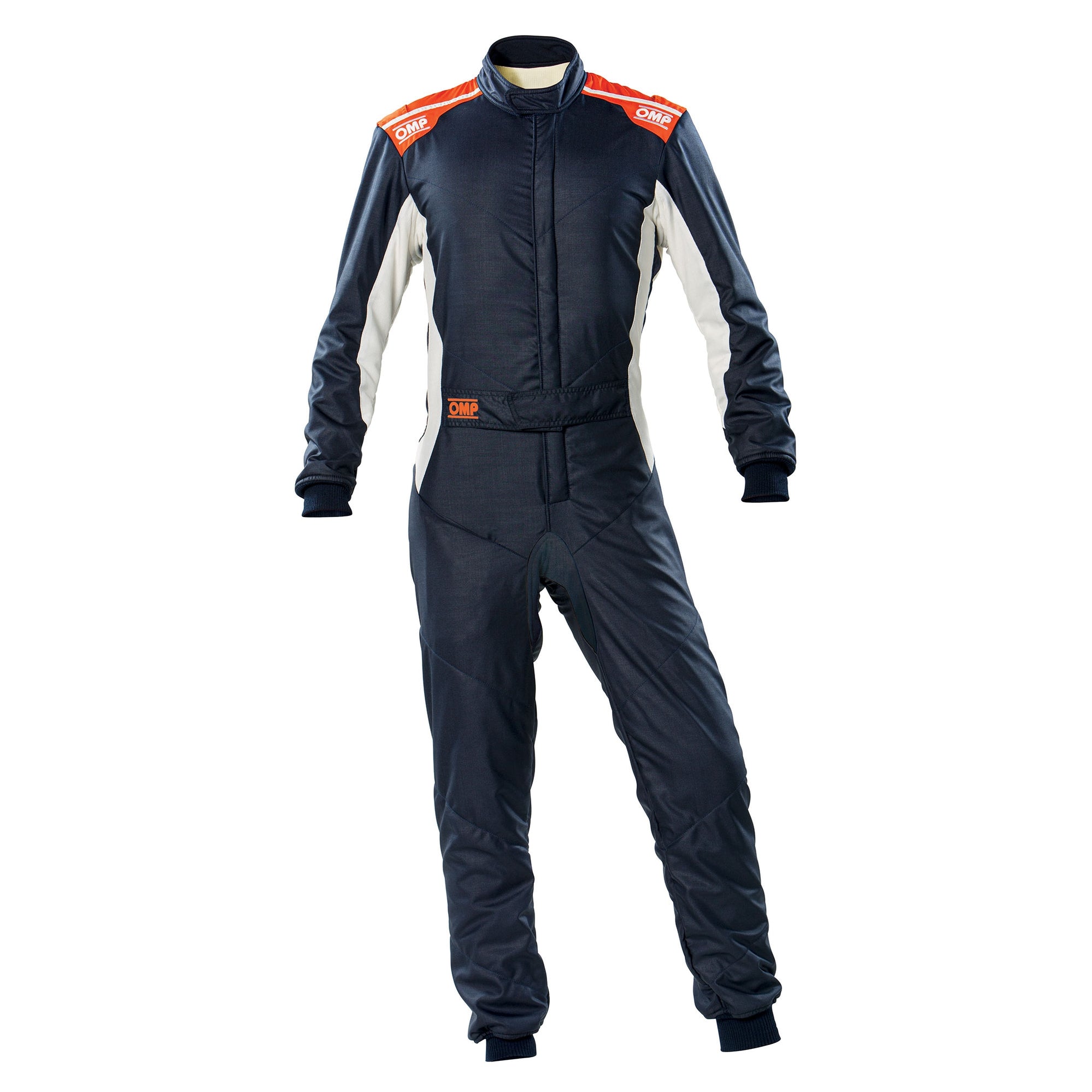
Every motorsport enthusiast knows the rush of adrenaline that comes with hitting the track. From the roar of the engine to the precision of every turn, the thrill of racing is unmatched. However, behind every exhilarating moment lies a need for safety, and that's where high-quality helmets come into play. Bell helmets, renowned for their engineering excellence and rigorous safety standards, have become a staple among racers and rally drivers alike. At Race and Rally, you can explore a comprehensive range of Bell helmets tailored for the demands of various motorsport disciplines. Imagine gearing up for an intense race day, knowing that you have the best equipment protecting you. Bell helmets not only provide superior protection but also offer comfort and style, making them a favorite among professional and amateur racers. With their FIA-compliant designs, these helmets are rigorously tested to ensure they meet the highest safety standards. In this article, we will delve into the diverse range of Bell helmets available at Race and Rally, highlighting their features, benefits, and what makes them a vital part of any racing or rally setup. Race and Rally Equipment What Makes Bell Helmets Stand Out in Motorsports? Bell helmets have gained a reputation for their commitment to safety and performance. The engineering behind these helmets is rooted in decades of innovation in the motorsport industry. Each helmet is crafted to absorb and dissipate impact forces, reducing the risk of injury in case of an accident. Additionally, Bell helmets are designed with superior ventilation systems to keep drivers cool during intense races, allowing for optimal focus and performance. Essential Rally Car Parts Every Driver Needs to Succeed Safety Standards and FIA Compliance One of the core reasons to choose Bell helmets is their compliance with FIA standards. The FIA (Fédération Internationale de l'Automobile) regulates safety equipment in motorsports, and Bell helmets consistently meet these stringent requirements. This compliance ensures that every helmet is not only safe but also suited for various racing conditions, whether on the circuit or in rally stages. When you wear a Bell helmet, you can race with confidence, knowing it has undergone rigorous testing. Variety of Designs for Every Racer Bell helmets come in various designs and styles, catering to different racing disciplines. Whether you are a track racer, rally driver, or a karting enthusiast, there's a Bell helmet designed for you. For instance, the Bell GT5 and Bell RS7 have become popular choices for their lightweight construction and aerodynamic design, enhancing driver performance without compromising safety. These helmets feature a snug fit and customizable options for visors, allowing drivers to adapt to different environments and personal preferences. Exploring the Range of Bell Helmets at Race and Rally Exploring the Range of Bell Helmets at Race and Rally At Race and Rally, you will find an extensive assortment of Bell helmets that cater to the specific needs of different racers. Understanding the various models and their unique features can help you make an informed choice. Below is a comparative table showcasing some of the popular Bell helmet models available: roll cages and padding
Model Weight FIA Compliance Ventilation Visor Options Bell GT5 1300g Yes Advanced Multiple Bell RS7 1200g Yes Enhanced Multiple Bell K1 Pro 1350g Yes Standard Single Bell HP7 1250g Yes Premium Multiple
This table illustrates the weight, compliance, ventilation features, and visor options of several Bell helmet models, highlighting the differences that can influence your selection. For example, if you prioritize a lightweight helmet for better performance, the Bell RS7 would be an ideal choice. Conversely, if ventilation is your primary concern during prolonged races, the Bell HP7 may suit your needs better. How to Choose the Right Bell Helmet for Your Needs? Selecting the right Bell helmet involves considering various factors, including fit, comfort, and intended use. Here's a step-by-step guide to help you make an informed decision: A Comprehensive Guide to Motorsport Safety Equipment
  1. Determine Your Racing Discipline: Identify whether you will be participating in track racing, rally driving, or another motorsport. Each discipline may require specific helmet features.
  2. Assess Your Budget: Bell helmets vary in price based on features and materials. Set a budget to narrow down your options without compromising safety.
  3. Try Before You Buy: If possible, try on different models to find the best fit. A properly fitting helmet is crucial for safety and comfort.
  4. Consider Customization: Look for helmets that allow for visor and padding customization to suit your preferences and needs.
By following these steps, you can identify the Bell helmet that best suits your racing style and safety requirements. Proper selection enhances the overall racing experience by ensuring comfort and reliability on the track. Additional Gear to Complement Your Bell Helmet While a high-quality helmet is essential, it's also important to consider other gear that contributes to your overall safety and performance. At Race and Rally, you can find various racing suits, gloves, and other protective equipment designed to work in tandem with your Bell helmet. A fire-resistant race suit, for example, can provide additional safety during high-speed racing, ensuring you're equipped for any scenario. Race & Rally Top Race Car Parts to Upgrade Your Track Performance Investing in a complete safety setup, including head and body gear, can significantly enhance your protection on the track. This holistic approach is vital for both amateur and professional racers who want to ensure their safety while pushing their limits. Maintaining Your Bell Helmet for Longevity To ensure that your Bell helmet remains in optimal condition, proper maintenance is crucial. Regularly inspect the helmet for any signs of wear or damage, especially after a race. Clean the exterior and interior using mild soap and water to keep it free from dirt and debris. Additionally, check the visor for scratches or cracks, replacing it as necessary to maintain clear visibility. It's also recommended to store your helmet in a cool, dry place and avoid exposing it to extreme temperatures. Following these maintenance tips will help extend the lifespan of your helmet, ensuring it continues to provide reliable protection for many races to come. Localized FAQ Heading How much do Bell helmets cost? The price of Bell helmets can range from approximately $400 to over $1,500, depending on the model and features. It's advisable to check with retailers for specific pricing. Is it necessary to replace a helmet after an accident? Yes, it is crucial to replace a helmet after any significant impact, as it may have sustained damage that could compromise its safety features. What is the best Bell helmet for rally racing? The Bell RS7 is often recommended for rally racing due to its lightweight design and excellent ventilation, making it suitable for various environmental conditions. Can I customize my Bell helmet? Yes, many Bell helmet models offer customization options for visors and interior padding to enhance comfort and functionality based on personal preferences. How often should I clean my helmet? It's recommended to clean your helmet after every few races or whenever it appears dirty, as maintaining hygiene contributes to the helmet's longevity and performance.

How to Minimize Weight Without Sacrificing Vehicle Safety

In the competitive world of motorsport, every ounce counts. Enthusiasts and professional teams alike strive for the perfect balance between weight reduction and safety. The challenge lies in sourcing high-quality, FIA-compliant parts that enhance performance while ensuring the vehicle remains safe during intense racing conditions. This article aims to provide solutions to the common dilemma of minimizing weight without compromising the safety of your vehicle. For amateur racers and rally teams, it can be daunting to navigate the plethora of options available for vehicle upgrades. From racing safety gear to vehicle preparation gear, finding reliable suppliers that offer discount motorsport safety equipment while maintaining rigorous safety standards is critical. By understanding the available options and methods for weight reduction, you can enhance your vehicle's performance without sacrificing essential safety features. Race & Rally Understanding Weight Reduction in Motorsport The primary goal of weight reduction in motorsport is to improve speed and handling. A lighter vehicle accelerates faster, stops shorter, and handles better. However, reducing weight cannot come at the expense of safety. Key components such as the roll cage, seat belts, and fire suppression systems are vital for protecting drivers in case of an incident. This is where careful planning and informed choices come into play. When considering weight reduction, it's essential to focus on specific areas of your vehicle. This includes the chassis, suspension components, and even the interior. Each of these areas presents opportunities to shed weight while ensuring compliance with safety regulations. Top Race Car Parts to Upgrade Your Track Performance Key Areas for Weight Reduction Without Compromising Safety To effectively minimize weight, focus on the following vehicle components:
  • Chassis: Consider lightweight materials such as carbon fiber or aluminum to replace heavier steel components.
  • Suspension: Upgrading to lightweight suspension parts can improve responsiveness while reducing weight.
  • Interior: Remove unnecessary components or replace stock seats with FIA-compliant racing seats designed for safety and weight savings.
  • Wheels: Lightweight alloy wheels can contribute significantly to overall weight reduction and enhance performance.
Choosing the Right Motorsport Safety Equipment Selecting the right motorsport safety equipment is paramount. High-quality equipment not only assures safety but can also contribute to a lower weight. Here are several critical pieces of safety gear to consider: 1. FIA-Compliant Racing Seats Investing in lightweight, FIA-approved racing seats provides both comfort and safety. These seats are designed to hold you securely in place during high-speed maneuvers while also offering a weight advantage over standard seats. 2. Harnesses Safety harnesses are crucial for driver protection. Opt for lightweight options that meet FIA standards to ensure safety without unnecessary bulk. A 5-point harness, for example, will keep the driver secure and can be lighter than traditional seatbelt systems. 3. Fire Suppression Systems While not a direct weight-saving measure, a proper fire suppression system is essential for safety. When choosing a system, look for compact designs that minimize weight without sacrificing effectiveness. These systems can be mounted discreetly within the vehicle. Race and Rally Equipment 4. Roll Cages Installing a roll cage is non-negotiable for safety in motorsport. Choose models made from lightweight materials, such as chromoly steel, which provides the required strength with less weight compared to standard steel constructions. Essential Rally Car Parts Every Driver Needs to Succeed Practical Steps for Weight Reduction Implementing weight reduction strategies requires a systematic approach. Here are steps to consider: 1. **Assessment**: Start by reviewing the current weight distribution of your vehicle. Use a scale to measure each component's weight. 2. **Identify Heavy Components**: Make a list of parts that contribute the most weight. Prioritize replacing or modifying these components first. 3. **Research Upgrades**: Research where to buy motorsport safety equipment and lightweight components that meet your needs. 4. **Install Quality Parts**: Ensure that all replacements are FIA-compliant to maintain safety standards. How to Minimize Weight Without Sacrificing Vehicle Safety 5. **Test and Monitor Performance**: After modifications, take your vehicle for a test run to assess performance changes. Adjust as necessary. motorsport clothing Understanding the Costs Associated with Weight Reduction When preparing for intense racing environments, understanding the costs involved in weight reduction is crucial. While lightweight parts often come at a premium, they can lead to significant performance improvements. Consider the following:
Component Standard Weight (lbs) Lightweight Alternative Weight (lbs) Cost Difference Chassis 300 200 $2,500 Suspension 150 100 $1,200 Racing Seat 50 20 $800 Fire Suppression System 30 15 $600
While the upfront costs can be substantial, investing in high-quality components can lead to better performance on the track and enhanced safety during competitions. Pros and Cons of Weight Reduction in Motorsport As with any modification, there are pros and cons to consider when it comes to weight reduction in motorsport vehicles. Pros: Improved acceleration, better handling, increased fuel efficiency, and potentially lower tire wear due to less overall weight. Cons: Upfront costs can be high, potential for decreased comfort in stripped-down vehicles, and the necessity of ensuring that all parts remain FIA-compliant for safety. Ultimately, the goal is to enhance performance while maintaining rigorous safety standards. The engineering balance between weight and safety is where true innovation occurs in motorsport. Conclusion: Balancing Performance and Safety in Motorsport In conclusion, minimizing weight without sacrificing vehicle safety is a challenging yet rewarding endeavor for motorsport enthusiasts and professional teams alike. By carefully selecting lightweight components and high-quality safety gear, you can significantly enhance your vehicle's performance while ensuring compliance with safety regulations. Remember to assess your vehicle, prioritize critical components for weight reduction, and invest in FIA-compliant parts. This strategic approach not only optimizes performance but also fosters a culture of safety and excellence in the racing world. Frequently Asked Questions About Weight Reduction and Safety How much weight can I realistically save by upgrading my racing seat? By upgrading to a FIA-compliant racing seat, you can save anywhere from 10 to 30 pounds, depending on the model and material used. Lightweight racing seats are specifically designed to provide safety without the bulk of standard seats. Is it worth investing in lightweight wheels? Yes, lightweight wheels can significantly improve your vehicle's handling and acceleration. Savings in rotational mass lead to quicker response times, enhancing overall performance on the track. What happens if I remove my vehicle's interior to save weight? While removing the interior can save considerable weight, it's crucial to ensure that safety features, such as roll cages and seat belts, remain intact. Additionally, consider how this might affect your vehicle's comfort and usability outside of racing. How can I ensure my vehicle meets safety regulations after modifications? Always consult the FIA guidelines and have your vehicle inspected by a qualified professional to ensure compliance with safety regulations after any major modifications. Are there affordable options for discount motorsport safety equipment? Yes, many suppliers offer promotional discounts or package deals for motorsport safety equipment. Research and compare prices from multiple suppliers to find the best options that meet your requirements. Can a lighter vehicle affect my fuel efficiency? Absolutely. A lighter vehicle typically experiences less drag and requires less power to accelerate, which can lead to improved fuel efficiency during both racing and regular driving conditions.

Why Every Rally Driver Needs a Reliable Co-Driver Watch

In the fast-paced world of rally racing, precision and timing can mean the difference between victory and defeat. A rally driver relies heavily on their co-driver to navigate the treacherous terrains, while the co-driver's watch serves as an essential tool in this dynamic partnership. When racing against the clock, the need for reliable timing and coordination becomes paramount. However, many drivers may overlook the importance of investing in a high-quality co-driver watch, leading to potential mishaps and missed opportunities on the track. The right co-driver watch can enhance communication, ensure accuracy in timing, and provide vital information at a glance. This article explores why every rally driver should prioritize a trusty co-driver watch, what features to look for, and how to choose the best option for your rally racing needs. http://answers.snogster.com/index.php?qa=72212&qa_1=the-best-pit-and-paddock-equipment-for-a-seamless-race-day How a Co-Driver Watch Enhances Rally Performance A co-driver watch does more than just keep time; it plays a critical role in managing race strategy and communication between the driver and co-driver. Effective timing can influence every aspect of a rally, from executing precise turns to managing fuel efficiency. A watch capable of providing lap times, stage times, and even GPS data can significantly enhance a team's performance. Why Every Rally Driver Needs a Reliable Co-Driver Watch For example, consider a scenario where a co-driver has a watch that tracks each stage's time and distance. This capability allows the driver to adjust their speed optimally to ensure they remain competitive while managing tire wear and fuel consumption. The precision provided by an advanced co-driver watch can lead to a smoother driving experience and potentially better race results. Key Features to Look for in a Co-Driver Watch When selecting a co-driver watch, it's essential to focus on features that will enhance safety and performance. Here are some critical elements to consider:
  • Durability: The watch should be built to withstand harsh conditions, including dust, rain, and impacts.
  • FIA Compliance: Ensure the watch meets FIA standards for motorsport use.
  • GPS Functionality: A watch with GPS capabilities can provide real-time navigation and distance tracking.
  • Multiple Time Zones: This feature is beneficial for teams participating in international rallies.
  • Water Resistance: A watch that can handle wet conditions is crucial for rally racing.
Comparing Popular Co-Driver Watches: Which One Should You Choose? With a variety of co-driver watches on the market, selecting the right one can be challenging. Below is a comparison table of some popular options available for rally drivers, showcasing their key attributes: Choosing the Best Race Suits for Optimal Comfort and Safety
Watch Model Durability GPS Functionality Water Resistance Price Model A Impact Resistant Yes Up to 50m $300 Model B Shock Resistant Yes Up to 100m $450 Model C Standard No Up to 30m $150 Model D High-End Yes Up to 200m $600
Pros and Cons of Investing in a Co-Driver Watch As with any investment, there are pros and cons to consider when purchasing a co-driver watch for rally racing. Below are some points to keep in mind: Race and Rally UK Pros: — Provides real-time data for better decision-making during races. A Comprehensive Guide to Motorsport Safety Equipment — Enhances communication and coordination between driver and co-driver. — Durable construction ensures reliability in extreme conditions. Cons: Top Race Car Parts to Upgrade Your Track Performance — High-quality watches can be expensive, which may strain a budget. — The need for regular maintenance and updates to GPS functions can add ongoing costs. RaceandRally.com Where to Buy Reliable Co-Driver Watches When seeking the best co-driver watches, it's crucial to find a reputable source. Several specialized retailers focus on rally car parts and safety gear. You can explore options online or visit local motorsport shops. For those looking to shop online, consider visiting an expert motorsport store or a dedicated rally equipment shop. Many of these stores, such as race suits, offer a wide selection of FIA-compliant watches. Essential Rally Car Parts Every Driver Needs to Succeed Additionally, make sure to read reviews and seek recommendations from other rally teams or enthusiasts. This first-hand insight can guide you to the most reliable and effective options available. Maintaining Your Co-Driver Watch for Optimal Performance To ensure your co-driver watch remains functional and reliable, regular maintenance is crucial. Here are some tips to keep your watch in top shape:
  1. Clean the watch regularly to remove dirt and grime that can affect functionality.
  2. Inspect the watch for any signs of damage, especially after races.
  3. Update the GPS and software frequently to ensure accuracy.
  4. Store the watch in a protective case when not in use to prevent damage.
By following these maintenance tips, you can ensure that your co-driver watch remains a trustworthy companion throughout your rally adventures. Conclusion: The Essential Role of a Co-Driver Watch in Rally Racing In rally racing, every second counts, and having a reliable co-driver watch can significantly enhance a team's performance. By investing in a watch that offers durability, GPS functionality, and FIA compliance, rally drivers and their co-drivers can ensure they communicate effectively, stay informed about their race status, and ultimately improve their chances of success on the track. Explore the various options available, read up on user reviews, and choose a watch that aligns with your specific needs and budget. Frequently Asked Questions About Co-Driver Watches How long does a good co-driver watch last? A well-maintained co-driver watch can last several years, especially if it is of high quality and designed for motorsport conditions. Regular maintenance and care will extend its lifespan significantly. How much do co-driver watches typically cost? The cost of co-driver watches can range widely based on features and brand, typically ranging from $150 to $600. It's essential to balance features against your budget when making a selection. Is it safe to use a standard watch for rally driving? No, standard watches may not withstand the harsh conditions of rally racing and may lack critical features such as GPS and durability. It's best to invest in a watch specifically designed for motorsport use. What happens if my co-driver watch malfunctions during a race? Should a co-driver watch malfunction, it can hinder communication and timing crucial for performance. Always have a backup plan, like a mobile app or another timing device, to mitigate risks. Which brands are recommended for co-driver watches? Some popular and reliable brands include Model A, Model B, and Model D, known for their durability and performance in motorsport environments.

A Comprehensive Guide to Motorsport Safety Equipment

The Future of Lightweight Racing Parts The advancement of materials science is paving the way for even lighter and stronger race car components. Innovations such as 3D printing of lightweight materials and the development of advanced composites hold the potential to revolutionize the industry. These technologies promise to further optimize performance while maintaining safety standards, making them appealing to motorsport enthusiasts.

Understanding the different components of safety equipment is vital for both amateur and professional racers. Each piece must not only be durable but also compliant with FIA regulations to be deemed safe for competitive use. This compliance is not just a formality; it ensures that the gear has been rigorously tested and meets stringent safety standards.

Why Cleaning Your Nomex Race Suit is Crucial Cleaning your Nomex race suit regularly is essential for several reasons. Firstly, it removes harmful substances such as oil, fuel, and dirt that can degrade the fabric over time. Secondly, residual contaminants can compromise the suit's flame-resistant properties, which are critical in a racing environment. Lastly, a clean suit contributes to a professional appearance and can even affect your performance by allowing for better breathability and comfort while racing.

Additionally, FIA compliance not only enhances safety but can also influence your performance. Using equipment that meets or exceeds these standards often translates into better protection, which can improve focus and confidence during races. Always prioritize FIA-compliant products when building your collection of racing safety gear.

When to Replace Your Race Suit Even with proper care, Nomex race suits have a lifespan. Typically, they last around five to seven years, depending on usage and care. If your suit has been involved in an accident or shows significant wear, it's time to consider replacing it. Investing in a high-quality suit is crucial for your safety on the track.

In this guide, we will delve into the various types of motorsport safety equipment available, where to source them, and how to ensure they meet the necessary standards for safety and performance. We will also provide practical tips on maximizing your investment and maintaining your gear for longevity. This comprehensive overview is designed for motorsport enthusiasts who are serious about their craft and safety. Race and Rally

Utilizing Online Marketplaces Websites specializing in motorsport parts often provide a wide range of options at competitive prices. Look for reputable platforms that offer user reviews and ratings. This can help ensure that you are purchasing high-quality race car parts without the risk of counterfeit products.

In this article, we will delve into the best options available for pit and paddock tools, race car parts, and motorsport safety equipment. We will address common challenges racers face in sourcing these items and provide solutions that can help streamline your race day experience. From durable race suits to reliable paddock tools, we cover every aspect to ensure you are well-prepared for the track. Race and Rally

While it might be challenging, many suppliers now offer comprehensive motorsport equipment, making it easier to source everything from race suits to tools in one place. It helps save time and often provides better pricing.

In addition to general rally gear, teams should invest in quality navigation systems. An advanced GPS with rally-specific features can provide real-time updates and course details, which are essential during timed events. For example, features like route recalculation or voice-guided navigation can help drivers stay focused and informed, potentially shaving valuable seconds off their times.

For instance, a high-performance brake system can drastically improve your stopping distances. If you typically experience a 150-foot stopping distance at high speeds, upgrading to a premium brake system could reduce this distance significantly. The importance of such upgrades cannot be overstated when you consider how crucial every second is on the track. Race and Rally

Using bleach or harsh chemicals that can damage the fabric. Storing your suit in damp or humid conditions. Washing your suit with rough fabrics that can cause pilling. Ignoring visible stains and not treating them promptly. Race and Rally

Nomex, a flame-resistant material commonly used in racing suits, requires careful handling to retain its protective qualities. Ensuring your suit is clean and stored properly not only gives you peace of mind but also enhances your performance on the circuit. This article will guide you through the steps to clean and store your Nomex race suit correctly. Race and Rally

Networking with Fellow Racers Engaging with the racing community can lead to valuable insights and discounts. Fellow enthusiasts often have spare parts or know where to find affordable components. Joining local racing clubs or online forums can be an excellent way to source parts and gain knowledge about the best deals available. Race and Rally