


Understanding the Technical Regulations for Rally Car Spares
- написал: MichaelBarro
- 0
- 0
What are the critical technical regulations you need to consider when preparing a rally car? As motorsport enthusiasts and competitors know, rally racing demands not only top-notch driving skills but also adherence to stringent regulations concerning vehicle modifications and parts. Whether you are an amateur racer looking to compete or a professional team preparing for the next event, understanding these regulations is crucial for both safety and performance. This article delves into the specific requirements for rally car spares, including regulatory compliance, sourcing high-quality parts, and ensuring your vehicle is race-ready. By comprehending these technical specifications, you will be better equipped to make informed decisions about your rally car preparation. Race & Rally What Are the FIA Regulations for Rally Car Parts? The International Automobile Federation (FIA) sets forth strict technical regulations that govern all aspects of rally car construction and modifications. These regulations aim to ensure safety, fairness, and competition integrity. Key areas covered by the FIA include weight limits, engine specifications, suspension setups, and safety gear requirements. For instance, rally cars must adhere to specific weight classifications, which vary by category. To meet these specifications, many teams invest in lightweight materials such as carbon fiber to reduce overall vehicle weight while maintaining structural integrity. 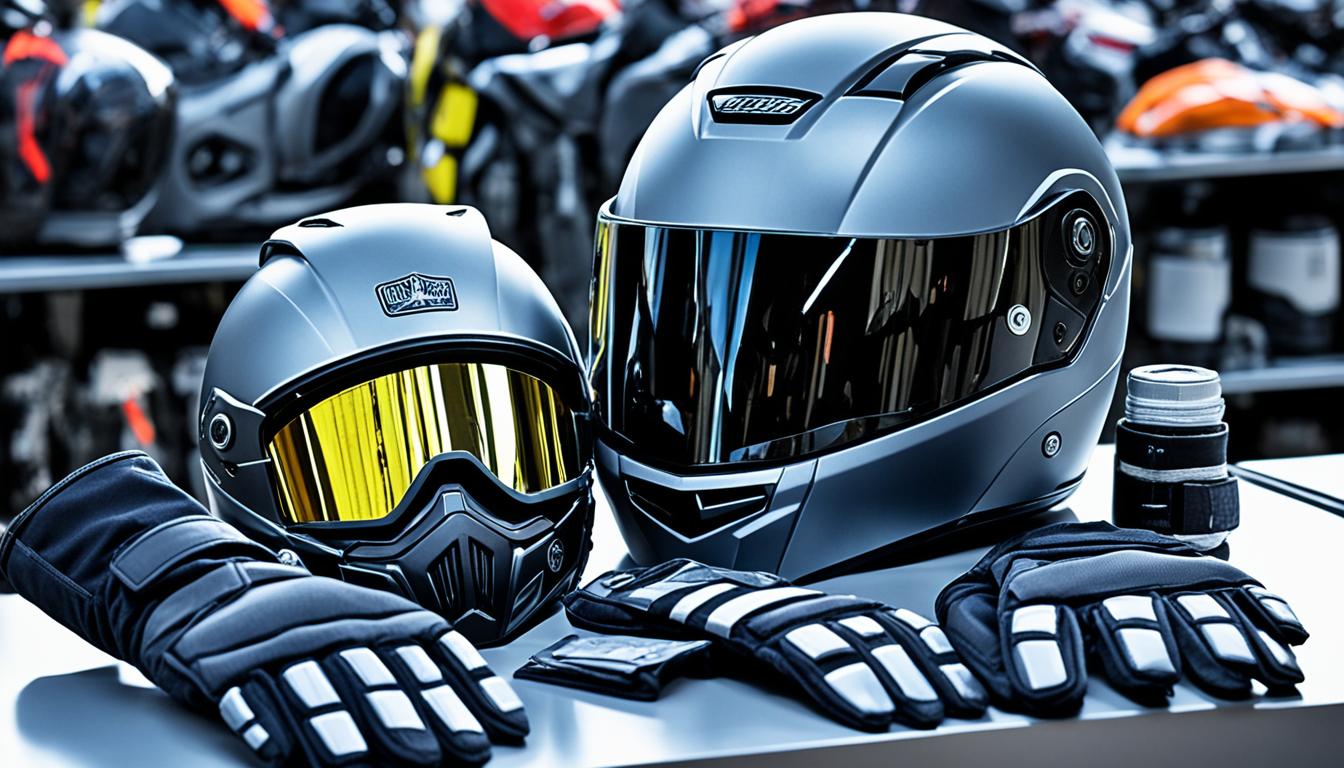 Understanding the FIA regulations can be complex, but it is essential to ensure that all modifications are compliant. Regularly consulting the latest FIA regulations can help teams stay informed and avoid costly penalties. For example, if a car is found non-compliant during a scrutineering process, it may be disqualified from an event, which can severely impact a team's season. Where to Buy FIA-Compliant Rally Car Parts? Finding a reliable supplier for FIA-compliant rally car parts can often be challenging. Many enthusiasts and teams struggle to locate a single shop that offers all necessary components, from safety gear to performance enhancements. The best approach is to research specialized online retailers that focus specifically on motorsport. Look for shops that provide detailed product descriptions and confirm compliance with FIA regulations. One recommended strategy is to read reviews from other customers in the motorsport community. This can provide insights into the quality of parts and the reliability of the supplier. Additionally, consider joining online forums or local motorsport clubs where members can share recommendations and experiences regarding various parts suppliers. This communal knowledge can be invaluable in ensuring you source the best parts for your rally car. Race and Rally
  Essential Rally Car Parts for Performance Enhancement When preparing a rally car, specific parts are crucial for enhancing performance. These include suspension components, brake systems, and engine upgrades. Here are some key components to consider:
Understanding the FIA regulations can be complex, but it is essential to ensure that all modifications are compliant. Regularly consulting the latest FIA regulations can help teams stay informed and avoid costly penalties. For example, if a car is found non-compliant during a scrutineering process, it may be disqualified from an event, which can severely impact a team's season. Where to Buy FIA-Compliant Rally Car Parts? Finding a reliable supplier for FIA-compliant rally car parts can often be challenging. Many enthusiasts and teams struggle to locate a single shop that offers all necessary components, from safety gear to performance enhancements. The best approach is to research specialized online retailers that focus specifically on motorsport. Look for shops that provide detailed product descriptions and confirm compliance with FIA regulations. One recommended strategy is to read reviews from other customers in the motorsport community. This can provide insights into the quality of parts and the reliability of the supplier. Additionally, consider joining online forums or local motorsport clubs where members can share recommendations and experiences regarding various parts suppliers. This communal knowledge can be invaluable in ensuring you source the best parts for your rally car. Race and Rally Essential Rally Car Parts for Performance Enhancement When preparing a rally car, specific parts are crucial for enhancing performance. These include suspension components, brake systems, and engine upgrades. Here are some key components to consider: - Suspension System: High-quality suspension is vital for navigating diverse terrains. Upgraded coilovers or adjustable shocks can significantly improve handling and stability.
- Braking System: Rally cars must have reliable brakes. Upgrading to a larger brake system or using performance rotors can reduce brake fade and improve stopping power.
- Engine Modifications: Performance tuning, such as ECU remapping or upgraded turbochargers, can provide a competitive edge by enhancing horsepower and torque delivery.
- Safety Gear: FIA-approved safety gear, such as roll cages, harnesses, and helmets, is non-negotiable for driver protection during rallies.
«Safety is not just a practice; it's a principle that every rally team must prioritize to ensure the well-being of their drivers.»The Importance of Vehicle Weight in Rally Racing Vehicle weight plays a crucial role in rally performance. A lighter car can accelerate faster, handle better, and ultimately achieve better stage times. However, achieving optimal weight requires careful planning and adherence to FIA regulations regarding weight limits. To manage weight effectively, teams can invest in lightweight components, such as carbon fiber body panels and aluminum wheels. These materials can help reduce weight without compromising strength and safety. In practical terms, if a rally car exceeds the weight limit set by the FIA, the team may be penalized with time penalties or disqualification. For instance, if the limit for a certain class is 1,200 kg and the car is found to weigh 1,250 kg, it could severely hinder the team's prospects during the championship season. This example highlights the direct relationship between weight management and competitive performance. How to Stay Updated on Rally Regulations and Innovations? In the fast-evolving world of rally racing, staying updated on regulations and innovations is vital for all teams. Regularly reviewing the FIA's official communications, such as newsletters and bulletins, can provide the latest information on rule changes and new technologies. Additionally, participating in motorsport workshops or seminars can offer insights into the latest advancements in car preparation and safety regulations. Moreover, leveraging social media and online communities allows teams to share knowledge and experiences effectively. By following reputable sources and engaging with the wider motorsport community, teams can not only stay informed but also adopt best practices that directly influence their vehicle preparation strategies. An informed approach will ensure your rally car is always compliant and competitive. Frequently Asked Questions About Rally Car Regulations How do I ensure my rally car parts are FIA compliant? To ensure FIA compliance, purchase parts from reputable suppliers that specifically state their products meet FIA regulations. Regularly check the FIA's official site for updates on technical regulations. What is the typical cost of preparing a rally car? The cost can vary greatly, but expect to spend anywhere from $10,000 to over $100,000 depending on the car's condition, modifications, and necessary safety gear. How often do rally regulations change? Rally regulations can change annually, so it is essential to stay informed through the FIA's communications and industry news. What are the most critical safety features for a rally car? Key safety features include a robust roll cage, a fire suppression system, and FIA-approved racing harnesses to protect drivers in case of an accident. Are lightweight materials worth the investment for performance? Yes, lightweight materials can enhance performance significantly by improving acceleration and handling, making them a worthwhile investment in rally preparation.
 3. Fire Resistance: Many FIA-approved cells feature materials that can endure extreme temperatures, adding an extra layer of safety. Purchasing a non-compliant fuel cell can lead not only to disqualification but also to serious safety concerns.
  Choosing the right design can significantly affect the vehicle's overall dynamics, so consider how each type interacts with your vehicle's characteristics. Cost Considerations: Balancing Quality and Budget While premium fuel cells offer advanced features and safety benefits, they also come at a higher cost. It's important to evaluate your budget against the potential performance gains. When considering costs, factor in: 1. Initial Purchase Price: High-quality cells may require a higher initial investment. 2. Installation Costs: Professional installation can add to the total expense. 3. Long-Term Reliability: Investing in a quality fuel cell can lead to savings in the long run through reduced maintenance and improved race performance. For instance, a high-end FIA-compliant fuel cell may cost 20% more than a standard option but can provide significant benefits in safety and performance, justifying the higher upfront cost.
  How to Maintain Your Fuel Cell for Optimal Performance? Proper maintenance of your fuel cell is crucial to ensure its longevity and performance. Here are some tips: — Regular Inspections: Periodically check for signs of wear, such as cracks or leaks, especially before race day. — Fuel Quality: Use high-quality fuel that matches your fuel cell's specifications; impurities can damage the cell over time. — Storage Conditions: When not in use, store the fuel cell in a cool, dry environment to prevent degradation. Implementing these maintenance strategies can help you avoid costly repairs and ensure consistent performance during races.
  Evaluating Fuel Cell Pros and Cons When choosing the right fuel cell, evaluating the pros and cons can help you make a more informed decision. Here's an overview: Pros: Enhanced safety features reduce the risk of fire and spills. Improved performance with lightweight designs. Compliance with regulatory standards increases competitive eligibility. Cons: Higher initial costs compared to non-compliant options. Potential weight increase with larger capacity cells. Dependence on proper maintenance for long-term performance. Being aware of these aspects allows you to weigh your options carefully and select the best fuel cell for your racing needs. Conclusion: Make an Informed Choice for Your Racing Success Selecting the right fuel cell for your competition vehicle requires a thoughtful approach that balances safety, performance, and budgetary considerations. By prioritizing FIA compliance, understanding your race requirements, and evaluating the pros and cons of different designs, you can make a choice that aligns with your goals on the track. Ultimately, the right fuel cell not only enhances your vehicle's performance but also ensures your safety, allowing you to focus on what you love most: racing. Frequently Asked Questions What is the average lifespan of a fuel cell? The lifespan of a fuel cell can vary, but with proper maintenance, they typically last several years. Regular inspections and proper storage can extend their usability significantly. How often should I replace my fuel cell? It's recommended to replace your fuel cell every 5-10 years, depending on usage and condition. Frequent racers should inspect their cells more often for signs of wear. Can I use a fuel cell from a different motorsport discipline? While some fuel cells may be interchangeable, it's best to use one that complies with the regulations of your specific racing discipline to ensure safety and legality. What maintenance is required for my fuel cell? Regular inspections for leaks, cleaning, and ensuring that fuel quality is maintained are essential to preserving your fuel cell's performance and longevity. Are all fuel cells created equal? No, fuel cells vary significantly in design, materials, and compliance features. It's important to choose one that fits your vehicle type and racing requirements. How does temperature affect fuel cell performance? Extreme temperatures can affect fuel cell integrity and performance. It's crucial to use a fuel cell designed for the temperature range expected during competitions.
 Maintenance Tips for Your Alloy Wheels Once you've invested in a set of lightweight alloy wheels, maintaining them becomes crucial for longevity and performance. Here are some essential maintenance tips: Regularly clean your wheels to remove dirt, brake dust, and road grime. Contaminants can lead to corrosion or staining if left unattended. Use a mild soap and soft cloth to avoid scratching the surface. Additionally, inspect the wheels periodically for any signs of damage or wear. Look for cracks or bends, especially after rough rally stages. Addressing issues early can prevent more severe problems down the line. Lastly, ensure proper tire pressure is maintained. Incorrect tire pressure can lead to uneven tire wear and affect handling. Check the manufacturer's recommendations for optimal pressure settings. Conclusion: Making Informed Choices for Your Rally Setup Choosing the right lightweight alloy wheels is a critical step in optimizing your rally vehicle's performance and safety. By considering factors like wheel size, weight, construction quality, and brand reputation, you can make informed decisions that enhance your racing experience. Remember, quality wheels not only improve your vehicle's performance but also contribute to your overall safety on the track. Investing in reliable, FIA-compliant alloy wheels ensures you are well-prepared for the challenges of rallying, allowing you to focus on what truly matters: racing. Frequently Asked Questions How much do lightweight alloy wheels typically cost? The cost of lightweight alloy wheels can vary significantly based on brand, materials, and size. Generally, prices range from $100 to $500 per wheel. What is the difference between forged and cast alloy wheels? Forged alloy wheels are made from a single piece of metal, resulting in a stronger and lighter product compared to cast wheels, which are created by pouring molten metal into a mold. How do I know if my wheels are FIA compliant? Check for markings or certifications on the wheel itself. Manufacturers typically indicate FIA compliance on the wheel or in the product specifications. Can I use non-FIA compliant wheels for rallying? While technically possible, using non-FIA compliant wheels is not recommended as they may pose safety risks and could result in disqualification during competitive events. How often should I inspect my alloy wheels? It is advisable to inspect your alloy wheels after each rally event, looking for any signs of damage, such as cracks or bends, and ensure they remain in good condition. What maintenance is required for alloy wheels? Regular cleaning to remove dirt and brake dust, periodic inspections for damage, and maintaining proper tire pressure are essential for keeping alloy wheels in optimal condition.