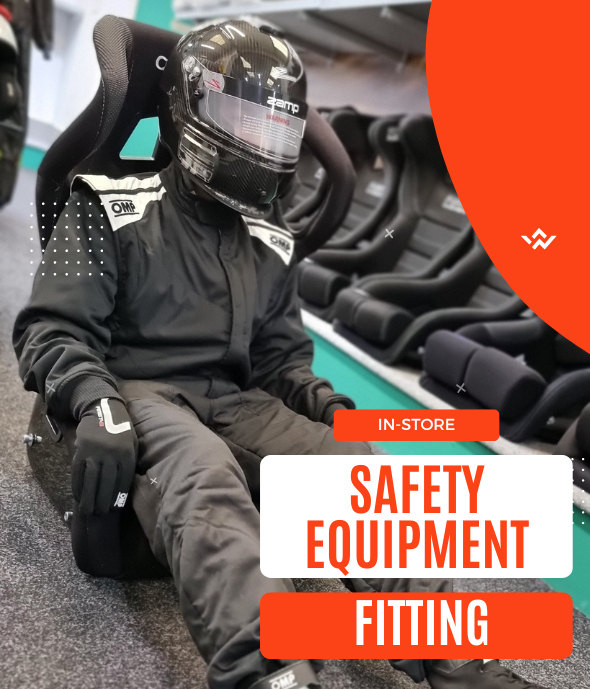
Exploring the Range of Bell Helmets at Race and Rally

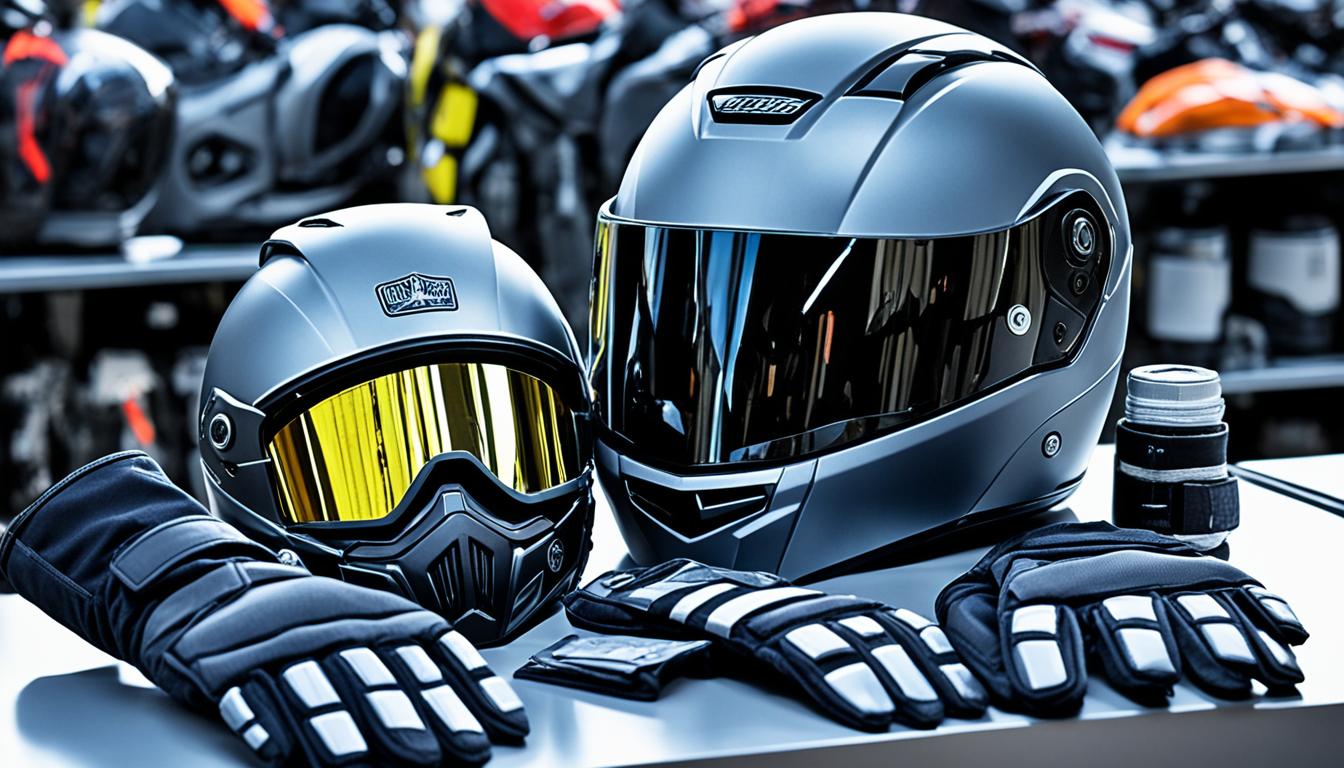
Every motorsport enthusiast knows the rush of adrenaline that comes with hitting the track. From the roar of the engine to the precision of every turn, the thrill of racing is unmatched. However, behind every exhilarating moment lies a need for safety, and that's where high-quality helmets come into play. Bell helmets, renowned for their engineering excellence and rigorous safety standards, have become a staple among racers and rally drivers alike. At Race and Rally, you can explore a comprehensive range of Bell helmets tailored for the demands of various motorsport disciplines. Imagine gearing up for an intense race day, knowing that you have the best equipment protecting you. Bell helmets not only provide superior protection but also offer comfort and style, making them a favorite among professional and amateur racers. With their FIA-compliant designs, these helmets are rigorously tested to ensure they meet the highest safety standards. In this article, we will delve into the diverse range of Bell helmets available at Race and Rally, highlighting their features, benefits, and what makes them a vital part of any racing or rally setup. Race and Rally Equipment What Makes Bell Helmets Stand Out in Motorsports? Bell helmets have gained a reputation for their commitment to safety and performance. The engineering behind these helmets is rooted in decades of innovation in the motorsport industry. Each helmet is crafted to absorb and dissipate impact forces, reducing the risk of injury in case of an accident. Additionally, Bell helmets are designed with superior ventilation systems to keep drivers cool during intense races, allowing for optimal focus and performance. Essential Rally Car Parts Every Driver Needs to Succeed Safety Standards and FIA Compliance One of the core reasons to choose Bell helmets is their compliance with FIA standards. The FIA (Fédération Internationale de l'Automobile) regulates safety equipment in motorsports, and Bell helmets consistently meet these stringent requirements. This compliance ensures that every helmet is not only safe but also suited for various racing conditions, whether on the circuit or in rally stages. When you wear a Bell helmet, you can race with confidence, knowing it has undergone rigorous testing. Variety of Designs for Every Racer Bell helmets come in various designs and styles, catering to different racing disciplines. Whether you are a track racer, rally driver, or a karting enthusiast, there's a Bell helmet designed for you. For instance, the Bell GT5 and Bell RS7 have become popular choices for their lightweight construction and aerodynamic design, enhancing driver performance without compromising safety. These helmets feature a snug fit and customizable options for visors, allowing drivers to adapt to different environments and personal preferences. Exploring the Range of Bell Helmets at Race and Rally Exploring the Range of Bell Helmets at Race and Rally At Race and Rally, you will find an extensive assortment of Bell helmets that cater to the specific needs of different racers. Understanding the various models and their unique features can help you make an informed choice. Below is a comparative table showcasing some of the popular Bell helmet models available: roll cages and padding
Model Weight FIA Compliance Ventilation Visor Options Bell GT5 1300g Yes Advanced Multiple Bell RS7 1200g Yes Enhanced Multiple Bell K1 Pro 1350g Yes Standard Single Bell HP7 1250g Yes Premium Multiple
This table illustrates the weight, compliance, ventilation features, and visor options of several Bell helmet models, highlighting the differences that can influence your selection. For example, if you prioritize a lightweight helmet for better performance, the Bell RS7 would be an ideal choice. Conversely, if ventilation is your primary concern during prolonged races, the Bell HP7 may suit your needs better. How to Choose the Right Bell Helmet for Your Needs? Selecting the right Bell helmet involves considering various factors, including fit, comfort, and intended use. Here's a step-by-step guide to help you make an informed decision: A Comprehensive Guide to Motorsport Safety Equipment
  1. Determine Your Racing Discipline: Identify whether you will be participating in track racing, rally driving, or another motorsport. Each discipline may require specific helmet features.
  2. Assess Your Budget: Bell helmets vary in price based on features and materials. Set a budget to narrow down your options without compromising safety.
  3. Try Before You Buy: If possible, try on different models to find the best fit. A properly fitting helmet is crucial for safety and comfort.
  4. Consider Customization: Look for helmets that allow for visor and padding customization to suit your preferences and needs.
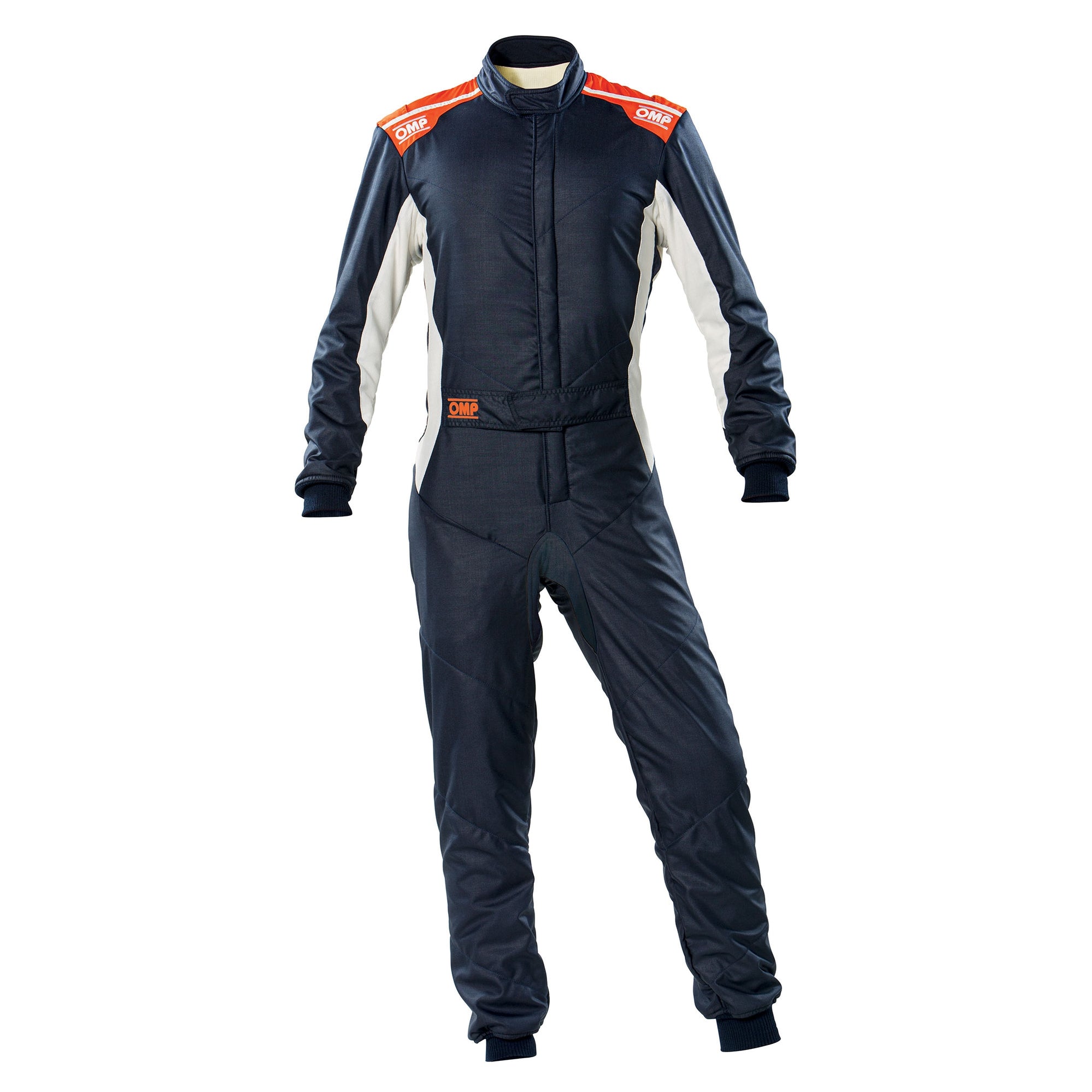
By following these steps, you can identify the Bell helmet that best suits your racing style and safety requirements. Proper selection enhances the overall racing experience by ensuring comfort and reliability on the track. Additional Gear to Complement Your Bell Helmet While a high-quality helmet is essential, it's also important to consider other gear that contributes to your overall safety and performance. At Race and Rally, you can find various racing suits, gloves, and other protective equipment designed to work in tandem with your Bell helmet. A fire-resistant race suit, for example, can provide additional safety during high-speed racing, ensuring you're equipped for any scenario. Race & Rally Top Race Car Parts to Upgrade Your Track Performance Investing in a complete safety setup, including head and body gear, can significantly enhance your protection on the track. This holistic approach is vital for both amateur and professional racers who want to ensure their safety while pushing their limits. Maintaining Your Bell Helmet for Longevity To ensure that your Bell helmet remains in optimal condition, proper maintenance is crucial. Regularly inspect the helmet for any signs of wear or damage, especially after a race. Clean the exterior and interior using mild soap and water to keep it free from dirt and debris. Additionally, check the visor for scratches or cracks, replacing it as necessary to maintain clear visibility. It's also recommended to store your helmet in a cool, dry place and avoid exposing it to extreme temperatures. Following these maintenance tips will help extend the lifespan of your helmet, ensuring it continues to provide reliable protection for many races to come. Localized FAQ Heading How much do Bell helmets cost? The price of Bell helmets can range from approximately $400 to over $1,500, depending on the model and features. It's advisable to check with retailers for specific pricing. Is it necessary to replace a helmet after an accident? Yes, it is crucial to replace a helmet after any significant impact, as it may have sustained damage that could compromise its safety features. What is the best Bell helmet for rally racing? The Bell RS7 is often recommended for rally racing due to its lightweight design and excellent ventilation, making it suitable for various environmental conditions. Can I customize my Bell helmet? Yes, many Bell helmet models offer customization options for visors and interior padding to enhance comfort and functionality based on personal preferences. How often should I clean my helmet? It's recommended to clean your helmet after every few races or whenever it appears dirty, as maintaining hygiene contributes to the helmet's longevity and performance.

How to Minimize Weight Without Sacrificing Vehicle Safety

In the competitive world of motorsport, every ounce counts. Enthusiasts and professional teams alike strive for the perfect balance between weight reduction and safety. The challenge lies in sourcing high-quality, FIA-compliant parts that enhance performance while ensuring the vehicle remains safe during intense racing conditions. This article aims to provide solutions to the common dilemma of minimizing weight without compromising the safety of your vehicle. For amateur racers and rally teams, it can be daunting to navigate the plethora of options available for vehicle upgrades. From racing safety gear to vehicle preparation gear, finding reliable suppliers that offer discount motorsport safety equipment while maintaining rigorous safety standards is critical. By understanding the available options and methods for weight reduction, you can enhance your vehicle's performance without sacrificing essential safety features. Race & Rally Understanding Weight Reduction in Motorsport The primary goal of weight reduction in motorsport is to improve speed and handling. A lighter vehicle accelerates faster, stops shorter, and handles better. However, reducing weight cannot come at the expense of safety. Key components such as the roll cage, seat belts, and fire suppression systems are vital for protecting drivers in case of an incident. This is where careful planning and informed choices come into play. When considering weight reduction, it's essential to focus on specific areas of your vehicle. This includes the chassis, suspension components, and even the interior. Each of these areas presents opportunities to shed weight while ensuring compliance with safety regulations. Top Race Car Parts to Upgrade Your Track Performance Key Areas for Weight Reduction Without Compromising Safety To effectively minimize weight, focus on the following vehicle components:
  • Chassis: Consider lightweight materials such as carbon fiber or aluminum to replace heavier steel components.
  • Suspension: Upgrading to lightweight suspension parts can improve responsiveness while reducing weight.
  • Interior: Remove unnecessary components or replace stock seats with FIA-compliant racing seats designed for safety and weight savings.
  • Wheels: Lightweight alloy wheels can contribute significantly to overall weight reduction and enhance performance.
Choosing the Right Motorsport Safety Equipment Selecting the right motorsport safety equipment is paramount. High-quality equipment not only assures safety but can also contribute to a lower weight. Here are several critical pieces of safety gear to consider: 1. FIA-Compliant Racing Seats Investing in lightweight, FIA-approved racing seats provides both comfort and safety. These seats are designed to hold you securely in place during high-speed maneuvers while also offering a weight advantage over standard seats. 2. Harnesses Safety harnesses are crucial for driver protection. Opt for lightweight options that meet FIA standards to ensure safety without unnecessary bulk. A 5-point harness, for example, will keep the driver secure and can be lighter than traditional seatbelt systems. 3. Fire Suppression Systems While not a direct weight-saving measure, a proper fire suppression system is essential for safety. When choosing a system, look for compact designs that minimize weight without sacrificing effectiveness. These systems can be mounted discreetly within the vehicle. Race and Rally Equipment 4. Roll Cages Installing a roll cage is non-negotiable for safety in motorsport. Choose models made from lightweight materials, such as chromoly steel, which provides the required strength with less weight compared to standard steel constructions. Essential Rally Car Parts Every Driver Needs to Succeed Practical Steps for Weight Reduction Implementing weight reduction strategies requires a systematic approach. Here are steps to consider: 1. **Assessment**: Start by reviewing the current weight distribution of your vehicle. Use a scale to measure each component's weight. 2. **Identify Heavy Components**: Make a list of parts that contribute the most weight. Prioritize replacing or modifying these components first. 3. **Research Upgrades**: Research where to buy motorsport safety equipment and lightweight components that meet your needs. 4. **Install Quality Parts**: Ensure that all replacements are FIA-compliant to maintain safety standards. How to Minimize Weight Without Sacrificing Vehicle Safety 5. **Test and Monitor Performance**: After modifications, take your vehicle for a test run to assess performance changes. Adjust as necessary. motorsport clothing Understanding the Costs Associated with Weight Reduction When preparing for intense racing environments, understanding the costs involved in weight reduction is crucial. While lightweight parts often come at a premium, they can lead to significant performance improvements. Consider the following:
Component Standard Weight (lbs) Lightweight Alternative Weight (lbs) Cost Difference Chassis 300 200 $2,500 Suspension 150 100 $1,200 Racing Seat 50 20 $800 Fire Suppression System 30 15 $600
While the upfront costs can be substantial, investing in high-quality components can lead to better performance on the track and enhanced safety during competitions. Pros and Cons of Weight Reduction in Motorsport As with any modification, there are pros and cons to consider when it comes to weight reduction in motorsport vehicles. Pros: Improved acceleration, better handling, increased fuel efficiency, and potentially lower tire wear due to less overall weight. Cons: Upfront costs can be high, potential for decreased comfort in stripped-down vehicles, and the necessity of ensuring that all parts remain FIA-compliant for safety. Ultimately, the goal is to enhance performance while maintaining rigorous safety standards. The engineering balance between weight and safety is where true innovation occurs in motorsport. Conclusion: Balancing Performance and Safety in Motorsport In conclusion, minimizing weight without sacrificing vehicle safety is a challenging yet rewarding endeavor for motorsport enthusiasts and professional teams alike. By carefully selecting lightweight components and high-quality safety gear, you can significantly enhance your vehicle's performance while ensuring compliance with safety regulations. Remember to assess your vehicle, prioritize critical components for weight reduction, and invest in FIA-compliant parts. This strategic approach not only optimizes performance but also fosters a culture of safety and excellence in the racing world. Frequently Asked Questions About Weight Reduction and Safety How much weight can I realistically save by upgrading my racing seat? By upgrading to a FIA-compliant racing seat, you can save anywhere from 10 to 30 pounds, depending on the model and material used. Lightweight racing seats are specifically designed to provide safety without the bulk of standard seats. Is it worth investing in lightweight wheels? Yes, lightweight wheels can significantly improve your vehicle's handling and acceleration. Savings in rotational mass lead to quicker response times, enhancing overall performance on the track. What happens if I remove my vehicle's interior to save weight? While removing the interior can save considerable weight, it's crucial to ensure that safety features, such as roll cages and seat belts, remain intact. Additionally, consider how this might affect your vehicle's comfort and usability outside of racing. How can I ensure my vehicle meets safety regulations after modifications? Always consult the FIA guidelines and have your vehicle inspected by a qualified professional to ensure compliance with safety regulations after any major modifications. Are there affordable options for discount motorsport safety equipment? Yes, many suppliers offer promotional discounts or package deals for motorsport safety equipment. Research and compare prices from multiple suppliers to find the best options that meet your requirements. Can a lighter vehicle affect my fuel efficiency? Absolutely. A lighter vehicle typically experiences less drag and requires less power to accelerate, which can lead to improved fuel efficiency during both racing and regular driving conditions.

Why Every Rally Driver Needs a Reliable Co-Driver Watch

In the fast-paced world of rally racing, precision and timing can mean the difference between victory and defeat. A rally driver relies heavily on their co-driver to navigate the treacherous terrains, while the co-driver's watch serves as an essential tool in this dynamic partnership. When racing against the clock, the need for reliable timing and coordination becomes paramount. However, many drivers may overlook the importance of investing in a high-quality co-driver watch, leading to potential mishaps and missed opportunities on the track. The right co-driver watch can enhance communication, ensure accuracy in timing, and provide vital information at a glance. This article explores why every rally driver should prioritize a trusty co-driver watch, what features to look for, and how to choose the best option for your rally racing needs. http://answers.snogster.com/index.php?qa=72212&qa_1=the-best-pit-and-paddock-equipment-for-a-seamless-race-day How a Co-Driver Watch Enhances Rally Performance A co-driver watch does more than just keep time; it plays a critical role in managing race strategy and communication between the driver and co-driver. Effective timing can influence every aspect of a rally, from executing precise turns to managing fuel efficiency. A watch capable of providing lap times, stage times, and even GPS data can significantly enhance a team's performance. Why Every Rally Driver Needs a Reliable Co-Driver Watch For example, consider a scenario where a co-driver has a watch that tracks each stage's time and distance. This capability allows the driver to adjust their speed optimally to ensure they remain competitive while managing tire wear and fuel consumption. The precision provided by an advanced co-driver watch can lead to a smoother driving experience and potentially better race results. Key Features to Look for in a Co-Driver Watch When selecting a co-driver watch, it's essential to focus on features that will enhance safety and performance. Here are some critical elements to consider:
  • Durability: The watch should be built to withstand harsh conditions, including dust, rain, and impacts.
  • FIA Compliance: Ensure the watch meets FIA standards for motorsport use.
  • GPS Functionality: A watch with GPS capabilities can provide real-time navigation and distance tracking.
  • Multiple Time Zones: This feature is beneficial for teams participating in international rallies.
  • Water Resistance: A watch that can handle wet conditions is crucial for rally racing.
Comparing Popular Co-Driver Watches: Which One Should You Choose? With a variety of co-driver watches on the market, selecting the right one can be challenging. Below is a comparison table of some popular options available for rally drivers, showcasing their key attributes: Choosing the Best Race Suits for Optimal Comfort and Safety
Watch Model Durability GPS Functionality Water Resistance Price Model A Impact Resistant Yes Up to 50m $300 Model B Shock Resistant Yes Up to 100m $450 Model C Standard No Up to 30m $150 Model D High-End Yes Up to 200m $600
Pros and Cons of Investing in a Co-Driver Watch As with any investment, there are pros and cons to consider when purchasing a co-driver watch for rally racing. Below are some points to keep in mind: Race and Rally UK Pros: — Provides real-time data for better decision-making during races. A Comprehensive Guide to Motorsport Safety Equipment — Enhances communication and coordination between driver and co-driver. — Durable construction ensures reliability in extreme conditions. Cons: Top Race Car Parts to Upgrade Your Track Performance — High-quality watches can be expensive, which may strain a budget. — The need for regular maintenance and updates to GPS functions can add ongoing costs. RaceandRally.com Where to Buy Reliable Co-Driver Watches When seeking the best co-driver watches, it's crucial to find a reputable source. Several specialized retailers focus on rally car parts and safety gear. You can explore options online or visit local motorsport shops. For those looking to shop online, consider visiting an expert motorsport store or a dedicated rally equipment shop. Many of these stores, such as race suits, offer a wide selection of FIA-compliant watches. Essential Rally Car Parts Every Driver Needs to Succeed Additionally, make sure to read reviews and seek recommendations from other rally teams or enthusiasts. This first-hand insight can guide you to the most reliable and effective options available. Maintaining Your Co-Driver Watch for Optimal Performance To ensure your co-driver watch remains functional and reliable, regular maintenance is crucial. Here are some tips to keep your watch in top shape:
  1. Clean the watch regularly to remove dirt and grime that can affect functionality.
  2. Inspect the watch for any signs of damage, especially after races.
  3. Update the GPS and software frequently to ensure accuracy.
  4. Store the watch in a protective case when not in use to prevent damage.
By following these maintenance tips, you can ensure that your co-driver watch remains a trustworthy companion throughout your rally adventures. Conclusion: The Essential Role of a Co-Driver Watch in Rally Racing In rally racing, every second counts, and having a reliable co-driver watch can significantly enhance a team's performance. By investing in a watch that offers durability, GPS functionality, and FIA compliance, rally drivers and their co-drivers can ensure they communicate effectively, stay informed about their race status, and ultimately improve their chances of success on the track. Explore the various options available, read up on user reviews, and choose a watch that aligns with your specific needs and budget. Frequently Asked Questions About Co-Driver Watches How long does a good co-driver watch last? A well-maintained co-driver watch can last several years, especially if it is of high quality and designed for motorsport conditions. Regular maintenance and care will extend its lifespan significantly. How much do co-driver watches typically cost? The cost of co-driver watches can range widely based on features and brand, typically ranging from $150 to $600. It's essential to balance features against your budget when making a selection. Is it safe to use a standard watch for rally driving? No, standard watches may not withstand the harsh conditions of rally racing and may lack critical features such as GPS and durability. It's best to invest in a watch specifically designed for motorsport use. What happens if my co-driver watch malfunctions during a race? Should a co-driver watch malfunction, it can hinder communication and timing crucial for performance. Always have a backup plan, like a mobile app or another timing device, to mitigate risks. Which brands are recommended for co-driver watches? Some popular and reliable brands include Model A, Model B, and Model D, known for their durability and performance in motorsport environments.

A Comprehensive Guide to Motorsport Safety Equipment

The Future of Lightweight Racing Parts The advancement of materials science is paving the way for even lighter and stronger race car components. Innovations such as 3D printing of lightweight materials and the development of advanced composites hold the potential to revolutionize the industry. These technologies promise to further optimize performance while maintaining safety standards, making them appealing to motorsport enthusiasts.

Understanding the different components of safety equipment is vital for both amateur and professional racers. Each piece must not only be durable but also compliant with FIA regulations to be deemed safe for competitive use. This compliance is not just a formality; it ensures that the gear has been rigorously tested and meets stringent safety standards.

Why Cleaning Your Nomex Race Suit is Crucial Cleaning your Nomex race suit regularly is essential for several reasons. Firstly, it removes harmful substances such as oil, fuel, and dirt that can degrade the fabric over time. Secondly, residual contaminants can compromise the suit's flame-resistant properties, which are critical in a racing environment. Lastly, a clean suit contributes to a professional appearance and can even affect your performance by allowing for better breathability and comfort while racing.

Additionally, FIA compliance not only enhances safety but can also influence your performance. Using equipment that meets or exceeds these standards often translates into better protection, which can improve focus and confidence during races. Always prioritize FIA-compliant products when building your collection of racing safety gear.

When to Replace Your Race Suit Even with proper care, Nomex race suits have a lifespan. Typically, they last around five to seven years, depending on usage and care. If your suit has been involved in an accident or shows significant wear, it's time to consider replacing it. Investing in a high-quality suit is crucial for your safety on the track.

In this guide, we will delve into the various types of motorsport safety equipment available, where to source them, and how to ensure they meet the necessary standards for safety and performance. We will also provide practical tips on maximizing your investment and maintaining your gear for longevity. This comprehensive overview is designed for motorsport enthusiasts who are serious about their craft and safety. Race and Rally

Utilizing Online Marketplaces Websites specializing in motorsport parts often provide a wide range of options at competitive prices. Look for reputable platforms that offer user reviews and ratings. This can help ensure that you are purchasing high-quality race car parts without the risk of counterfeit products.

In this article, we will delve into the best options available for pit and paddock tools, race car parts, and motorsport safety equipment. We will address common challenges racers face in sourcing these items and provide solutions that can help streamline your race day experience. From durable race suits to reliable paddock tools, we cover every aspect to ensure you are well-prepared for the track. Race and Rally

While it might be challenging, many suppliers now offer comprehensive motorsport equipment, making it easier to source everything from race suits to tools in one place. It helps save time and often provides better pricing.

In addition to general rally gear, teams should invest in quality navigation systems. An advanced GPS with rally-specific features can provide real-time updates and course details, which are essential during timed events. For example, features like route recalculation or voice-guided navigation can help drivers stay focused and informed, potentially shaving valuable seconds off their times.

For instance, a high-performance brake system can drastically improve your stopping distances. If you typically experience a 150-foot stopping distance at high speeds, upgrading to a premium brake system could reduce this distance significantly. The importance of such upgrades cannot be overstated when you consider how crucial every second is on the track. Race and Rally

Using bleach or harsh chemicals that can damage the fabric. Storing your suit in damp or humid conditions. Washing your suit with rough fabrics that can cause pilling. Ignoring visible stains and not treating them promptly. Race and Rally

Nomex, a flame-resistant material commonly used in racing suits, requires careful handling to retain its protective qualities. Ensuring your suit is clean and stored properly not only gives you peace of mind but also enhances your performance on the circuit. This article will guide you through the steps to clean and store your Nomex race suit correctly. Race and Rally

Networking with Fellow Racers Engaging with the racing community can lead to valuable insights and discounts. Fellow enthusiasts often have spare parts or know where to find affordable components. Joining local racing clubs or online forums can be an excellent way to source parts and gain knowledge about the best deals available. Race and Rally

Importance of Sump Guards for Rally Cars

Regular checks should be performed before each race and during routine maintenance periods. Additionally, after every event, inspect tools for any signs of damage or wear to ensure they are in optimal condition for the next race.

Understanding the different components of safety equipment is vital for both amateur and professional racers. Each piece must not only be durable but also compliant with FIA regulations to be deemed safe for competitive use. This compliance is not just a formality; it ensures that the gear has been rigorously tested and meets stringent safety standards.

Choosing the Right Storage Environment Ensure that your storage area is cool, dry, and away from direct sunlight. Excessive heat and humidity can damage the suit's fibers and lead to mold growth. Use a breathable garment bag rather than plastic, which can trap moisture and cause deterioration over time.

Additionally, FIA compliance not only enhances safety but can also influence your performance. Using equipment that meets or exceeds these standards often translates into better protection, which can improve focus and confidence during races. Always prioritize FIA-compliant products when building your collection of racing safety gear.

For those looking to upgrade their racing gear, sourcing affordable race car components and professional race suits online can be a challenge. Take the time to research and find suppliers who offer durable options that comply with FIA standards, ensuring that you are well-prepared for your next race.

Race Suits: FIA-approved race suits are essential for protecting drivers from fire hazards. These suits are made from materials that reduce the rate of heat transfer, providing valuable seconds in emergencies.

How Does Motorsport Safety Equipment Enhance Performance? Safety equipment is non-negotiable in motorsport, and it goes beyond just fulfilling the minimum requirements set by governing bodies. Quality safety gear can significantly affect driver performance and confidence on the track.

When sourcing these components, prioritize suppliers who are known for their reliability and quality. Many teams turn to specialized retailers that focus solely on motorsport parts, ensuring that the products are not only high-performance but also FIA-compliant.

It's advisable to inspect your sump guard after every race to check for damage or wear. Any signs of deformation, cracks, or excessive scratching should prompt a replacement to ensure continued protection.

According to motorsport safety statistics, nearly 25% of accidents in competitive racing involve significant damage to the vehicle's structure, particularly the roll cage. The roll cage is a critical component designed to protect drivers during collisions, making regular inspections essential for maintaining safety standards. Whether you're an amateur racer or part of a professional rally team, understanding how to assess your roll cage can mean the difference between a safe race and a potentially life-threatening situation.

The most critical tools for a pit crew include an impact wrench, pneumatic jack, tire pressure gauge, and quality race suits. These tools help ensure quick tire changes and maintain the safety and performance of the vehicles during competitive racing.

Using additional protective measures, such as skid plates or reinforced undercarriages, can further enhance the effectiveness of the sump guard. These layers of protection create a comprehensive defense system for the vehicle's underside, allowing drivers to tackle difficult courses with confidence.

Understanding Nomex Material and Its Properties Nomex is renowned for its excellent thermal stability and resistance to flames, making it the preferred choice for many racers. It is engineered to withstand high temperatures, which is vital in the high-stakes environment of racing. However, this material is not immune to wear and tear. Regular maintenance is needed to preserve its unique properties and ensure compliance with FIA regulations.

What Tools Are Essential for Rally Car Maintenance? For rally teams, the variety of terrains and conditions requires specialized tools that cater specifically to their needs. Among these, multitools are invaluable. A reliable multitool can combine various functionalities like pliers, screwdrivers, and knives, saving space and time in the paddock. Imagine needing to replace a loose bolt in a hurry; having a multitool at hand means you are always prepared.

Lastly, perform regular inventories of your tools. This helps you keep track of what you have and what needs to be replaced or repaired. Consistently checking your equipment ensures that everything is always Race and Rally Motorsport-ready, which can be the difference in crucial moments on race day.

It is recommended to inspect your roll cage after every race, following any incidents, and at least every three months for regular maintenance. This ensures that any wear or damage is caught early, maintaining the safety of the vehicle.