


What to expect from upfront ac repair near me service
- написал: ColbyMaccall
- 0
- 0
When summer sticks around, comfort depends on a system you can count on. A good plan starts before the call, with simple steps that cut guesswork and prevent repeat visits. You’ll see how to define symptoms, choose materials that last, and map a workflow that respects your time. We’ll also balance quality controls with risk checks so surprises don’t snowball. For homeowners and small shops, the same principles apply, but the timelines differ. If you’re weighing budgets, we’ll show you where small tweaks save money without sacrificing performance. You’ll finish with a checklist that speeds approvals. And along the way, we’ll point to the right moment to request ac repair so you fix today’s issue and set up tomorrow’s peace of mind.
Map scope early without fluff and lock timing
Start with a simple checklist: room temps, breaker status, filter condition, and any intermittent noises. Add notes to a short brief, then share it Ac Repair Near Me so the tech arrives ready. Record symptoms in order of appearance, like «warm air at noon» or «unit trips after rain.» Document model plates and thermostat settings for a smoother intake. You’ll avoid three back-and-forth calls.
Work room by room and mark what matters most. When office suites swing wildly, give that top billing. Set a must-fix list and a deferable list. It helps align cost and comfort. You’ll move from vague complaints to clear targets.
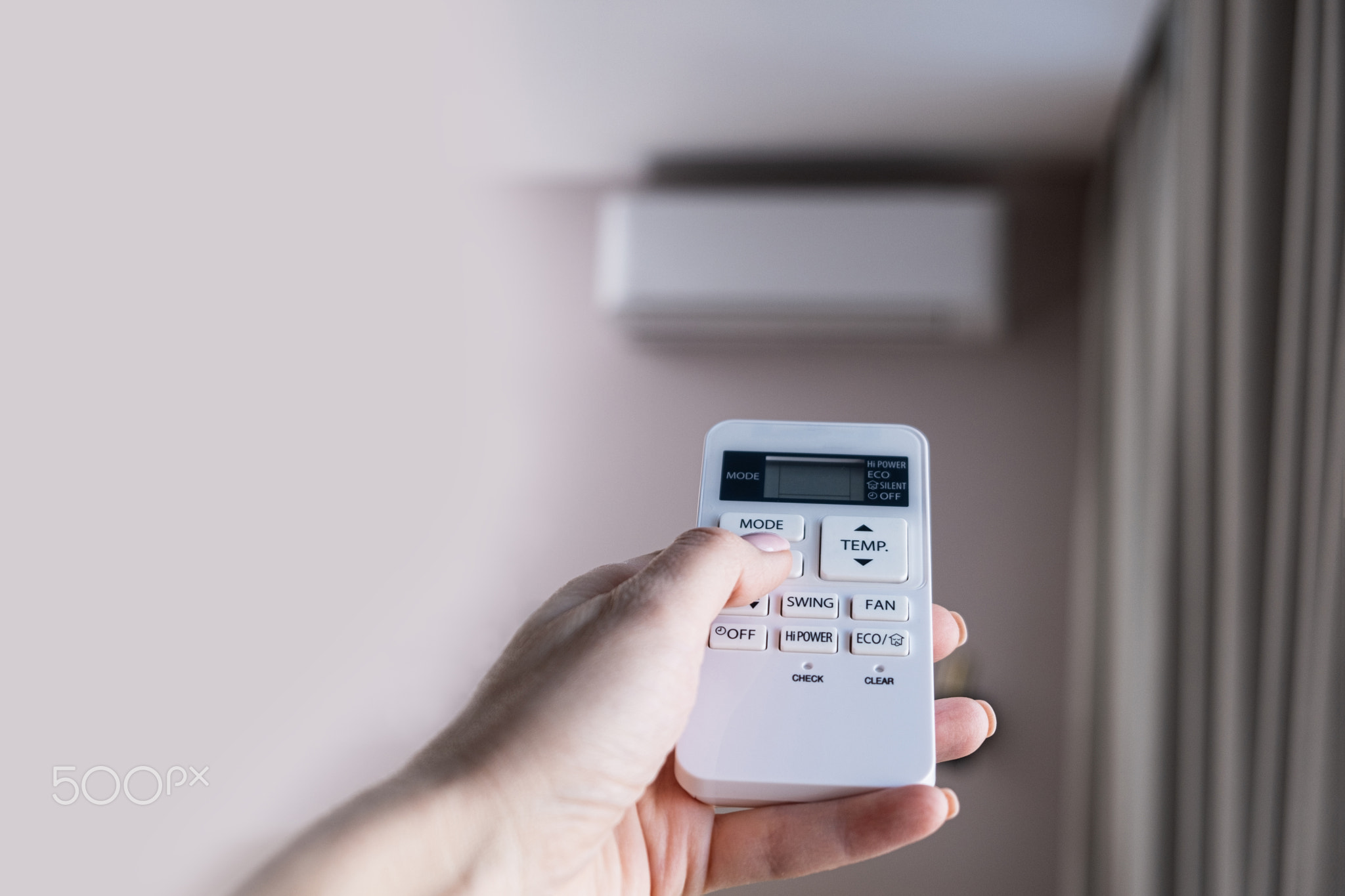
Choose proven parts and right-size inputs for lasting fixes
Match filters to MERV ratings and blower capacity limits, not just price. Share your system photo set emergency AC repair so the shop pre-pulls compatible capacitors and contactors. Pick UV-safe insulation wraps on linesets exposed to sun. Go with OEM gaskets where leaks have returned. Paying a bit more upfront can stop repeat service.
For refrigerant work, confirm the correct type and charge weight off the label. In small cafes, grease can clog coils; use a coil-safe cleaner and rinse pattern. Restaurants may swap filters twice monthly due to load. Document serials after installation. Traceable parts simplify future calls.

Orchestrate site tasks and arrival slots that fit your day
Post a tight timeline: arrival, diagnostics, approval, and test-run. Confirm building access and parking, then include it AC repair service in a single message everyone sees. Ask tenants to secure pets and open three feet around the air handler. Stage drop cloths and a small tool zone near the unit. Good staging protects floors and tempers.
Stack tasks to cut idle time. While one tech ohms the capacitor, another can rinse the outdoor coil. Approvals move faster when you set a spend cap with the office. When traffic snarls a pickup, shift to thermostat calibration or duct checks. You’ll finish more in one visit.
Build quality gates at each step and manage surprises
Start with lockout/tagout and a live-dead-live on power. Log baseline readings, then attach photos home AC repair to each step in your job notes. After replacing a contactor, re-check voltage drop under load. On refrigerant lines, electronic-test joints before and after a nitrogen hold. Tiny checks avoid big callbacks.
Run a 15-minute cooling cycle and trend supply-return delta T. In apartments, test the warmest corner room to validate distribution. Note humidity and ambient temps so results are comparable. Should amperage drift, pause and re-test the last change. Measured work beats hurry every time.
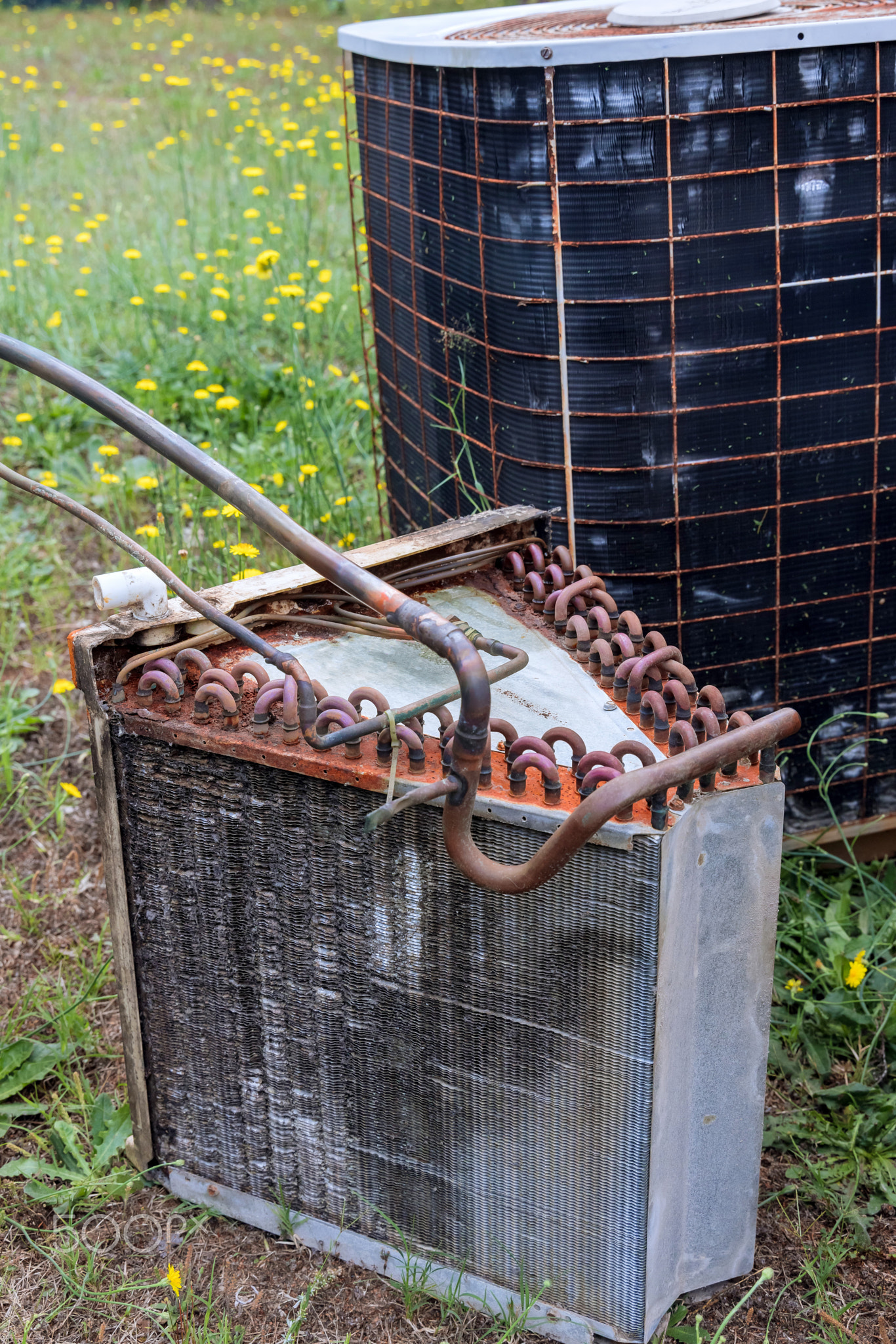
Extend system life with seasonal care and routines that stick
Set a 90-day reminder to inspect filters and drain pans. Share a one-page care sheet cooling system repair covering coil dusting, thermostat lockouts, and clearances around condensers. In homes near trees, trim a safe gap to stop leaf intake. In small gyms, plan quarterly coil cleaning to match foot traffic. Routine wins over rescue calls.
Teach users to watch for musty odors and report quickly. A quick video of the thermostat sequence helps techs target faults. Keep a backup filter on-site and note its fit on the panel. Consider a setback schedule that suits your hours. Consistency keeps rooms stable.
Conclusion
A clear scope, the right parts, a crisp schedule, and steady quality checks form a loop that keeps cooling reliable. Tie it together with simple upkeep, and each visit gets faster and more predictable. With one plan, you tame surprises, hold costs in check, and keep comfort front and center. Follow it, and each fix sets up the next win.